Most of us know the 3 PM slump: lunch was only a few hours ago, but you’re hungry again and reaching for something quick, like a granola bar, crackers, or whatever’s easiest to grab. The frustrating part is how often that “quick fix” barely lasts, and you’re back thinking about food not long after.
That pattern usually isn’t about willpower. It’s largely biology.
When it comes to staying satisfied, what you eat often matters more than how much you eat. The science of satiety (the steady sense of fullness that helps carry you from one meal to the next) helps explain why protein and healthy fats tend to be more satisfying than snacks built mostly on sugar or refined carbs.
Let’s break down what’s going on.
What Exactly Is Satiety?
Satiety is your body’s internal signal that you’ve had enough to eat. It’s different from feeling “full” in the moment; true satiety is the longer-lasting satisfaction that helps you go from one meal to the next without constantly thinking about your next snack.
When satiety is working well, you eat a balanced meal or snack, feel comfortably satisfied, and get on with your day. When it’s not, it can feel like you’re always chasing the next bite, even if you’ve already eaten plenty.
A big part of this system comes down to hormones: chemical messengers that help your gut and brain communicate. Different foods can influence these signals in different ways, which is why some snacks feel “sticky” (they last) while others fade fast.
The Hormonal Magic of Protein
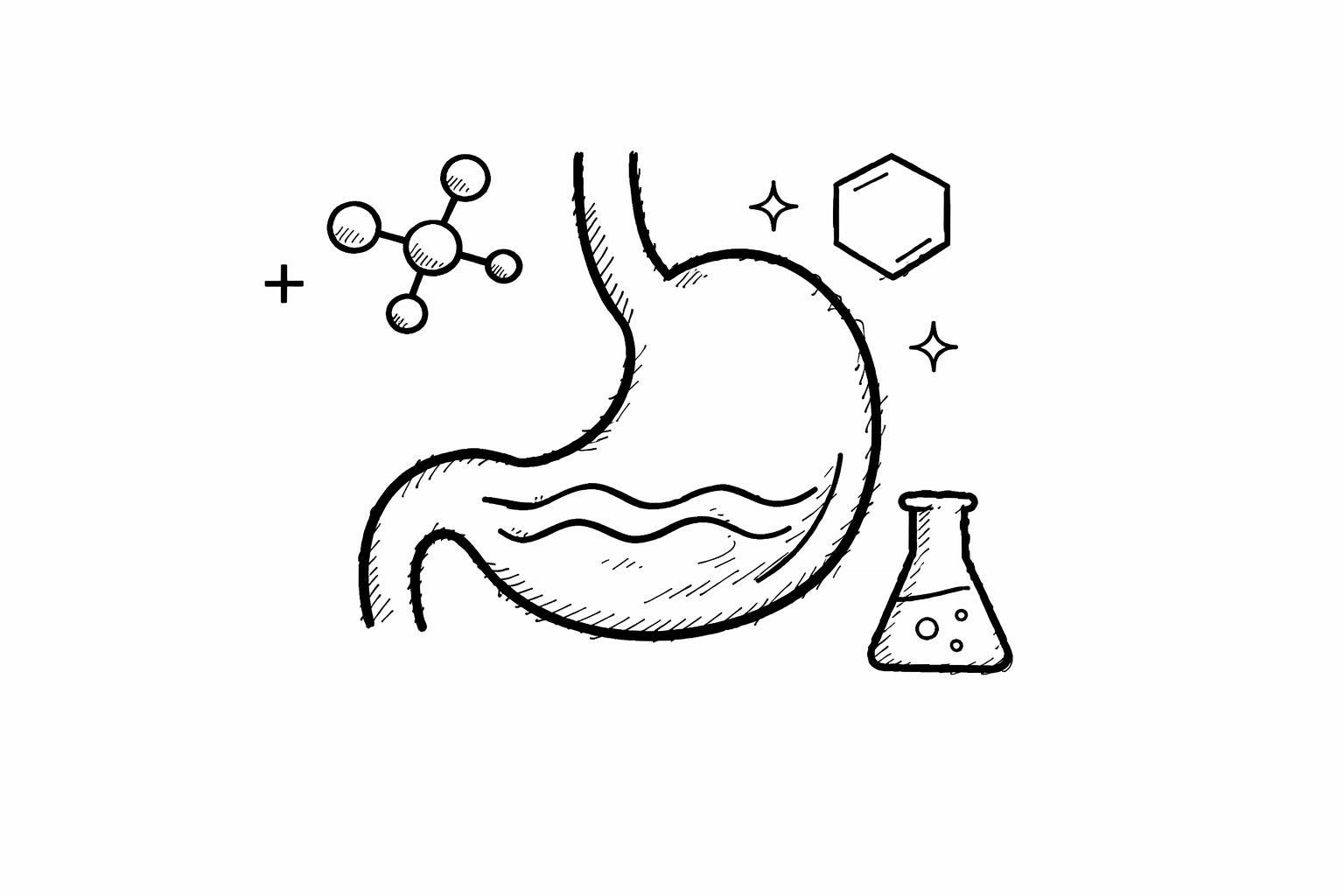
When you eat protein, your body breaks it down into amino acids (the building blocks of protein). Those amino acids can help stimulate the release of several appetite-regulating hormones, including:
- GLP-1 (glucagon-like peptide-1): Signals fullness to your brain and slows digestion
- CCK (cholecystokinin): Tells your brain you've eaten enough
- PYY (peptide YY): Reduces appetite and keeps you satisfied longer
At the same time, protein can reduce ghrelin, often called the “hunger hormone.” Ghrelin plays a role in driving appetite, so when it’s lower after a protein-rich meal or snack, many people find it easier to stay steady until their next meal.
Protein also tends to digest more slowly than refined carbohydrates, which can help you feel physically satisfied for longer. And because the body uses more energy to process protein than it does for carbs or fat (a concept known as diet-induced thermogenesis), protein is often associated with better appetite control in day-to-day life.
In practical terms, protein doesn’t just add calories to a snack; it changes how that snack “lands” in your system.
Why Clean Fats Matter Too
Fats often get a bad reputation, but the right kinds of fats can support satiety. When you include healthy fats (like nuts, seeds, and natural oils), digestion tends to slow down, and that slower pace can help fullness signals last longer.
This matters because satiety isn’t just a “stomach volume” thing. It’s also about timing: how long nutrients are being processed, and how consistently your gut can send “we’re good” signals up to the brain.
Healthy fats also make food more sensorially satisfying. A snack with some richness and texture often feels more complete than a very low-fat option, even when calories are similar.
The Problem With Sugary Snacks
So what happens with a candy bar or a very sweet granola bar?
Simple sugars and refined carbs digest quickly, which can lead to a faster rise in blood glucose. Your body responds by releasing insulin to help move glucose into cells, and for some people that quick rise-and-fall pattern is followed by renewed hunger.
There’s also the “satiety math” of the snack itself. If a snack is mostly sugar (and low in protein and fat), it may not do much to support the hormone signals that help regulate appetite. You can absolutely eat enough calories, but still feel like you didn’t eat something that “counts.”
That’s why two snacks with similar calories can feel very different: one keeps you steady, and the other leaves you looking for something else soon after.
The Protein Leverage Effect
One additional idea that often comes up in nutrition research is the protein leverage hypothesis, which suggests we have a degree of protein-specific appetite. Put simply, if we don’t get enough protein from meals and snacks, we may be more likely to keep eating in an attempt to meet that need.
If your day is built mostly around low-protein options, it can be harder to feel “done,” even when you’ve already consumed plenty of calories from carbs and fats. When protein intake is more consistent, many people find appetite feels calmer and easier to manage.
The key point here is that prioritizing protein isn’t about being strict; it’s about making meals and snacks more complete so satisfaction is more likely to show up naturally.
If you're curious about simple ways to hit that protein target throughout your day, we put together The Busy Person's Guide to 10g of Protein: it's full of practical ideas that don't require meal prep or complicated planning.
What "Real" Ingredients Actually Mean for Fullness
Not all protein bars and snacks are created equal. Many products on the market rely on:
- Sugar alcohols that can cause digestive discomfort
- Highly processed protein isolates stripped of complementary nutrients
- Artificial fillers that add bulk without nourishment
- Cheap fats like palm kernel oil that lack nutritional value
These ingredients might check boxes on a nutrition label, but they don't support your body's natural satiety signals the way whole, recognizable foods do.
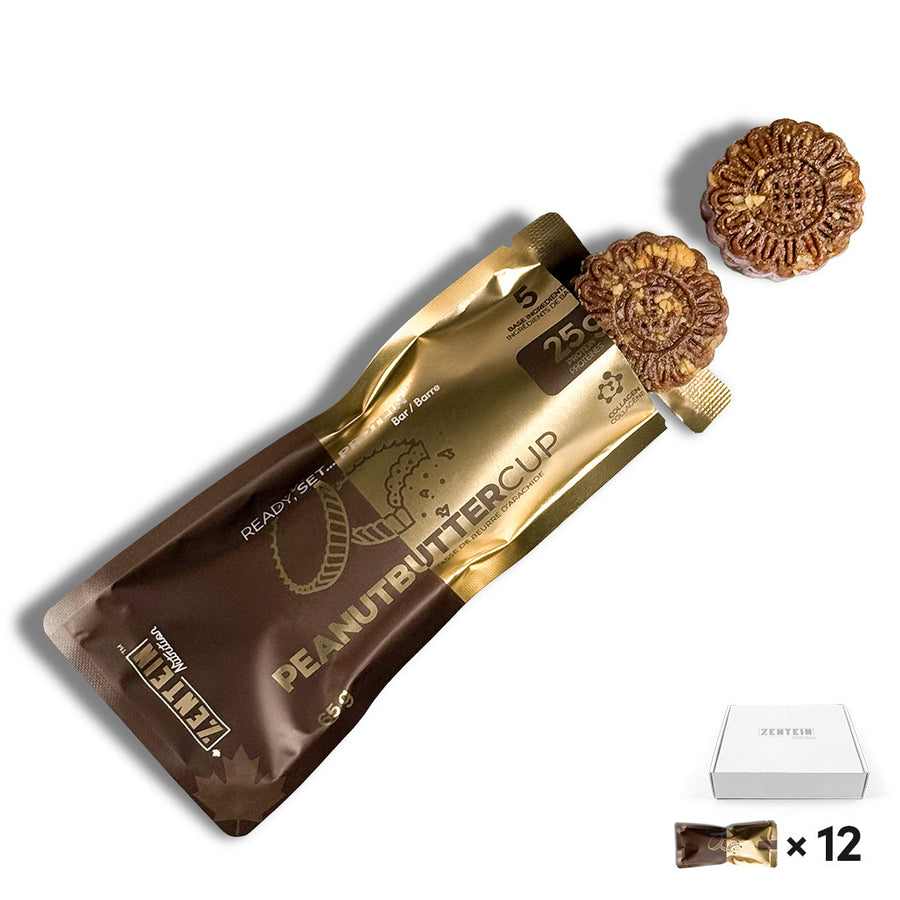
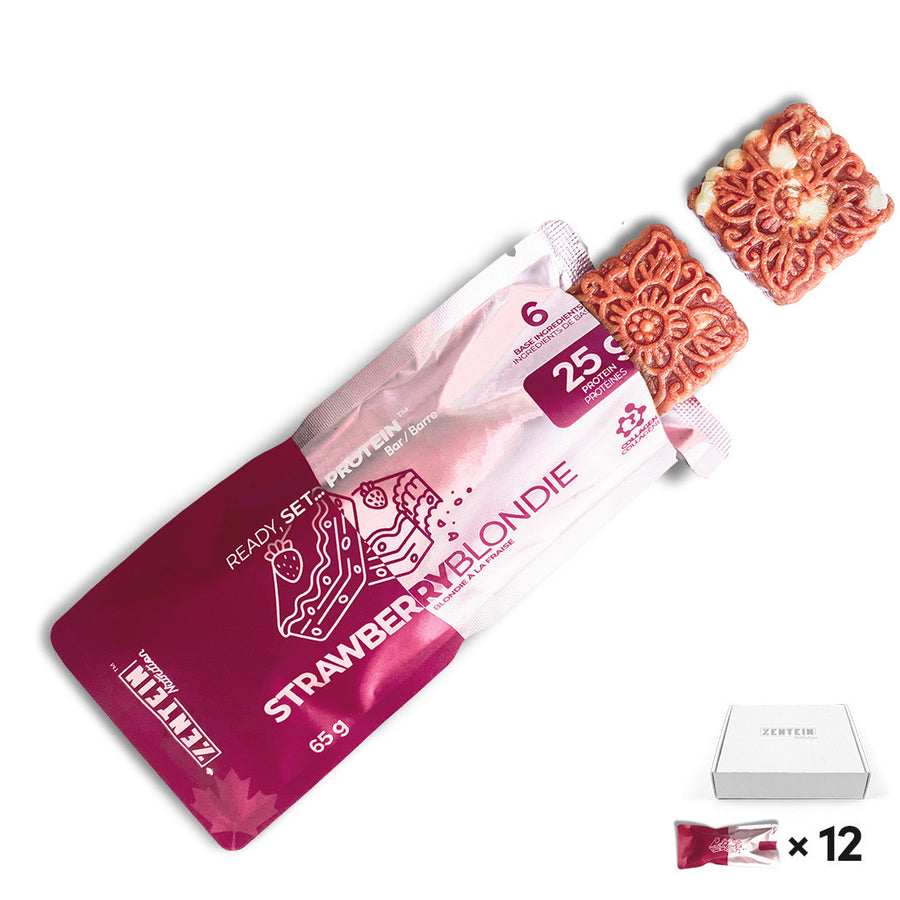
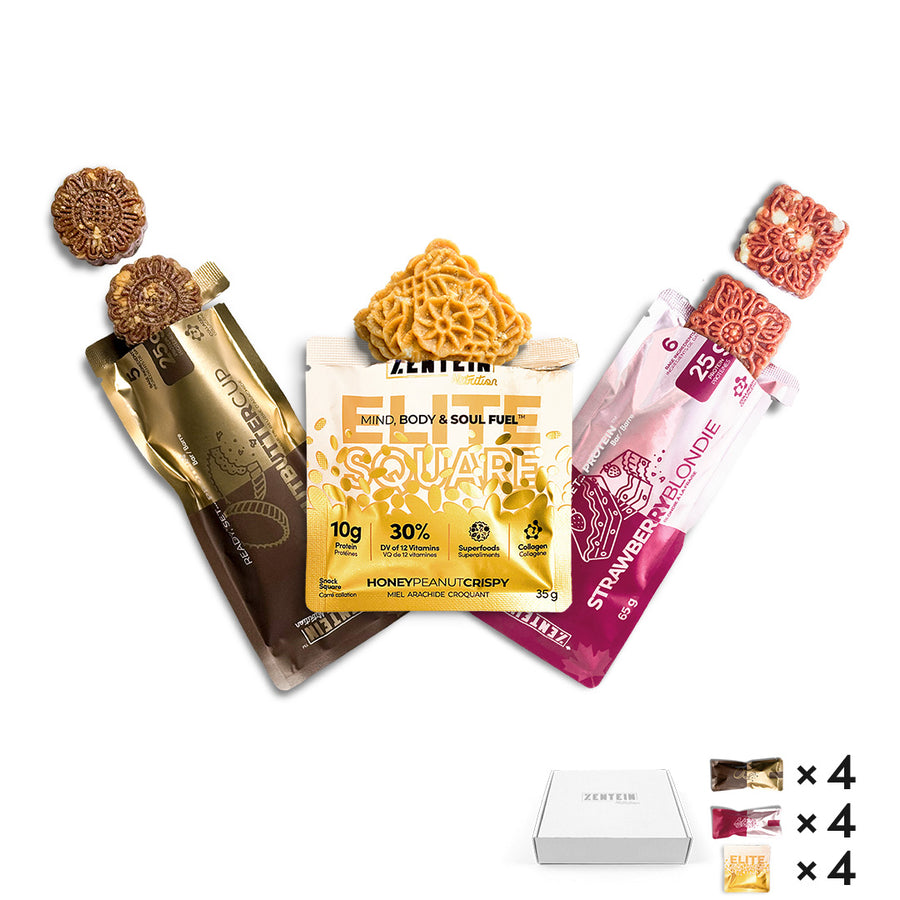
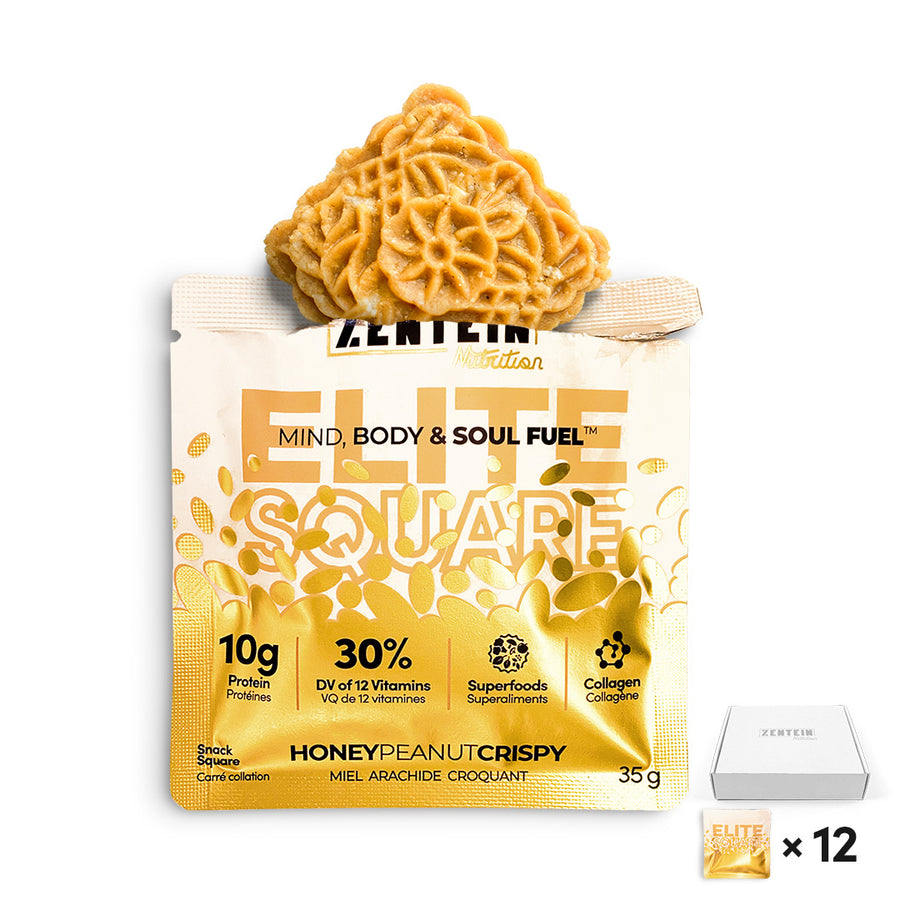
When we formulated our snacks at Zentein, we focused on clean protein sources and real fats: the kind your body recognizes and knows how to use. Ingredients like nuts, seeds, Canadian honey, and collagen protein work together to create genuine satisfaction.
No tricks, no shortcuts—just food that’s meant to nourish you and support steady energy in real life.
Practical Ways to Stay Satisfied
Understanding the science is helpful, but putting it into practice is what matters. Here are a few simple strategies:
Pair carbs with protein or fat. An apple is good. An apple with almond butter is better. Adding protein or fat to carbohydrate-rich foods slows digestion and extends satiety.
Don't fear snacks: upgrade them. Snacking isn't the enemy. Low-quality snacks are. Choose options with at least 10g of protein and minimal added sugars.
Eat enough at meals. Sometimes constant snacking is a sign that your main meals aren't substantial enough. Make sure lunch and dinner include a solid protein source and some healthy fats.
Read labels carefully. Look beyond the marketing claims on the front of packages. Check for real ingredients you can pronounce and protein sources you recognize.
Listen to your body. True satiety feels calm and content: not stuffed, not restricted. Pay attention to how different foods make you feel two hours after eating.
The Bottom Line
Cravings aren’t a character flaw. They’re often just feedback, and sometimes that feedback is as simple as: your last meal or snack didn’t have enough protein, fat, fibre, or overall substance to keep you satisfied.
When you choose snacks built on real protein and clean fats, you’re more likely to support the hormone signals that help appetite settle, and you’re also giving digestion something that tends to last longer than a quick sugar hit. Over time, those small choices can make the day feel more consistent, with fewer “I need something else” moments.
At Zentein, that’s why we focus so much on ingredient quality and balanced macros. We want snacks to taste great, but we also want them to actually satisfy, using ingredients you can recognize and feel good about.
If you want a simple takeaway, it’s this: aim for snacks that leave you feeling steady an hour or two later, not just satisfied for ten minutes.
We wish you the best.
Sources
-
A high-protein diet for reducing body fat: mechanisms and possible caveats
https://pmc.ncbi.nlm.nih.gov/articles/PMC4258944/ -
Ghrelin, CCK, GLP-1, and PYY(3–36): Secretory Controls and Physiological Roles in Eating and Glycemia in Health, Obesity, and After RYGB
https://pmc.ncbi.nlm.nih.gov/articles/PMC6151490/ -
High Protein Intake Stimulates Postprandial GLP1 and PYY Release
https://pmc.ncbi.nlm.nih.gov/articles/PMC6548554/ -
Gut Hormones and Appetite Control: A Focus on PYY and GLP-1 as Therapeutic Targets in Obesity
https://pmc.ncbi.nlm.nih.gov/articles/PMC3286726/ -
The macronutrients, appetite and energy intake
https://pmc.ncbi.nlm.nih.gov/articles/PMC4960974/
Keep exploring, or turn the idea into an everyday routine.