
Flip over almost any protein bar at the grocery store and there’s a decent chance you’ll see palm kernel oil on the label. It’s common, it’s functional, and it’s also one of those ingredients that gets discussed in a pretty black-and-white way online.
We don’t think it’s that simple.
Short truth: palm kernel oil isn’t inherently “bad” or “healthy.” What matters is the form it’s in, how often you’re eating it, and what it’s paired with in your overall diet.
There’s also a cultural gap in the conversation. In many African food traditions, palm-based oils can be used in ways that look very different from how palm kernel oil shows up in Western packaged foods. When people argue about “palm oil,” they’re often talking about different versions of the ingredient entirely.
What Exactly Is Palm Kernel Oil?
Palm kernel oil comes from the seed (kernel) inside the oil palm fruit. That’s different from red palm oil, which is pressed from the fruit’s flesh and has its own colour and culinary uses.
Short truth:
- Palm kernel oil is high in saturated fat (more comparable to coconut oil than olive oil).
- It tends to be solid at room temperature, which is why it works well in coatings and “creamy” textures.
- It’s not the same as red palm oil, even though the names sound similar.
That combination of texture + stability is exactly why food manufacturers like it.
The Health Conversation: It’s Really About Context
Palm kernel oil is very high in saturated fat (often cited around ~80%). That doesn’t automatically make it “good” or “bad,” but it does mean it can meaningfully affect things like blood lipids depending on the rest of the diet.
Short truth: the bigger issue usually isn’t one ingredient in isolation. It’s the pattern.
Traditional uses (often less processed)
In many African diets, palm-based oils may be used in home cooking with mostly whole foods, and within lifestyles that often include more daily movement. In that setting, the oil isn’t typically hiding inside a daily stack of ultra-processed snacks, sugary coatings, and refined starches.
Highly refined Western uses (often in ultra-processed foods)
In Western packaged foods, palm kernel oil is commonly highly refined and used as a functional fat in bars, cookies, candy, and similar products. Those foods are also frequently higher in added sugar and lower in fiber, which is a combination associated with metabolic issues over time—things like higher LDL cholesterol and patterns linked with insulin resistance.
So when we talk about “palm kernel oil and health,” we’re usually also talking about the food it’s delivered in.
Why It's So Common in Protein Bars
Palm kernel oil is popular in bars because it makes manufacturing easier. It’s stable, it holds shape well, and it can create a smooth bite without refrigeration.
Short truth: it’s a very effective “structure fat.”
We’d rather build taste and texture with ingredients that also add nutrition—like nuts and seeds—than rely on refined filler fats that mostly exist to improve shelf life and mouthfeel.
Learn more about how we create our nutrition and the philosophy behind every ingredient choice we make.
How to Spot Palm Kernel Oil on Labels
If you want to keep an eye out, here are the common names:
- Palm kernel oil
- Hydrogenated palm kernel oil
- Palm kernel olein
- PKO (abbreviation)
You might also see broad terms like “vegetable oil” or “vegetable fat,” depending on labeling rules and region. If the fat source isn’t clear, it’s worth taking a closer look.
What We Use Instead
At Zentein, every ingredient has to earn its place.
Instead of palm kernel oil, we rely on fats that come from whole-food ingredients:
- Nuts and seeds (like almonds and cashews)
- Coconut oil (in moderation, and used intentionally when we need a solid fat)
- Natural nut butters
The goal isn’t perfection. It’s clarity. Ingredients that make sense, and formulas you can actually feel good about.
Our Commitment (Our “Short Truth”)
Short truth: we don’t use palm kernel oil in our products.
Not because we think one ingredient is the whole story, but because we want our nutrition to be built on clean, whole-food logic. That means avoiding the refined, ultra-processed shortcuts that show up so often in the packaged snack aisle.
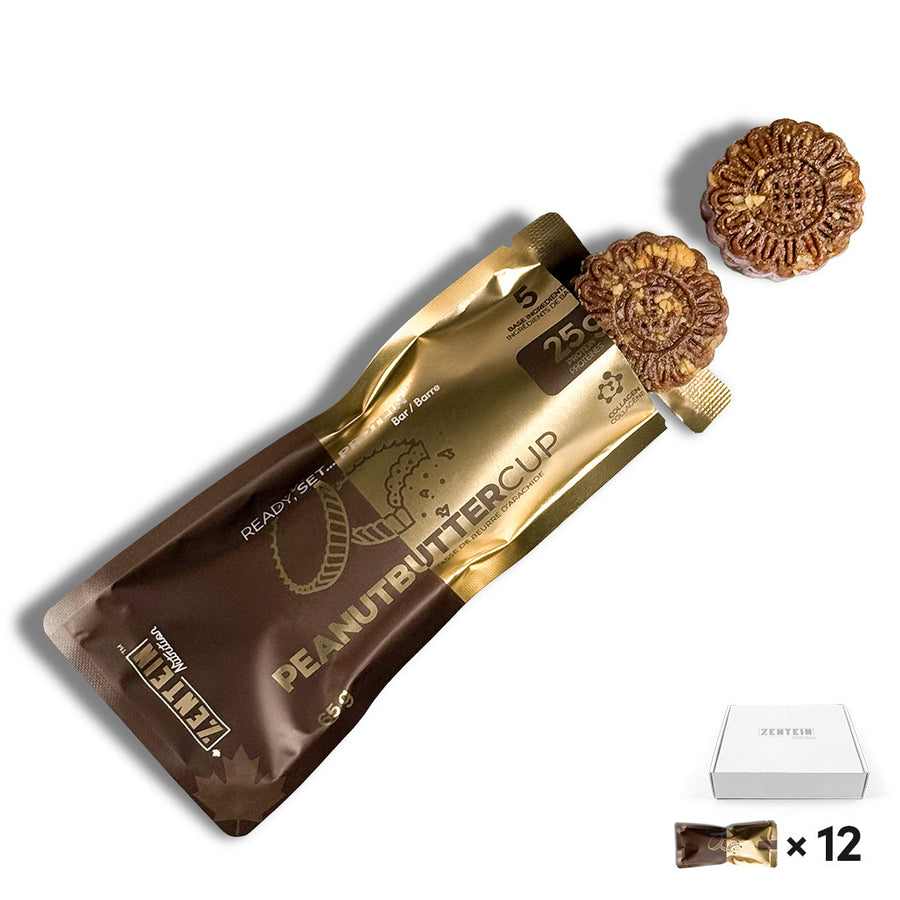
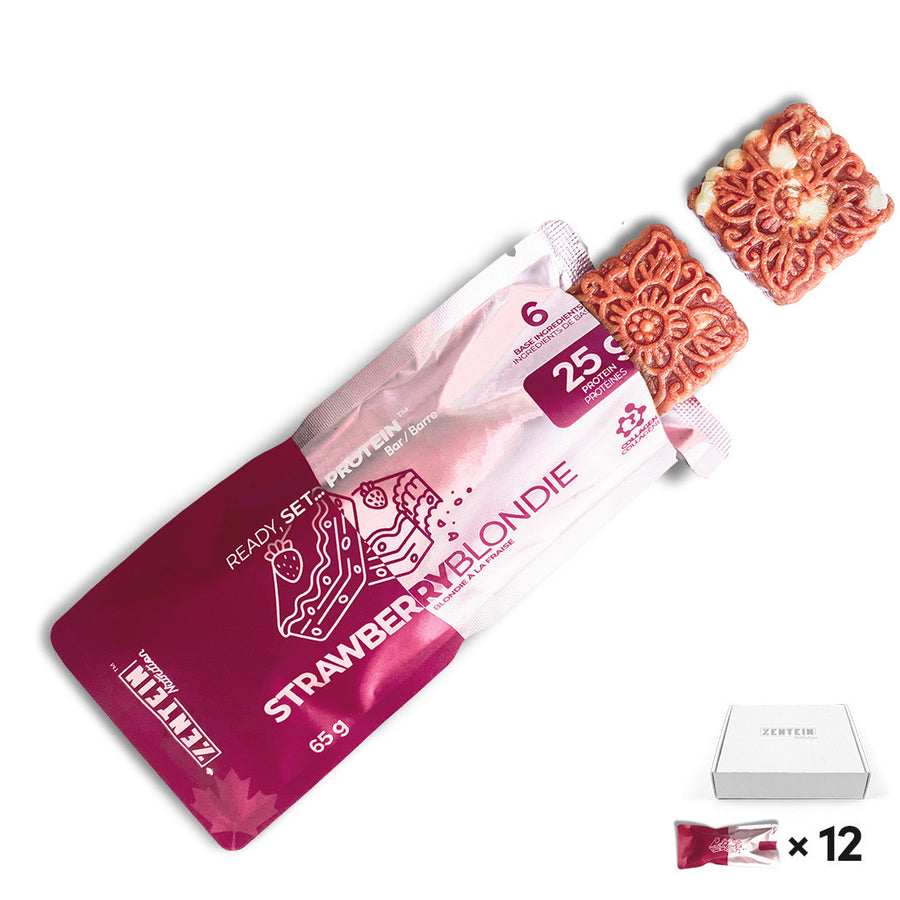
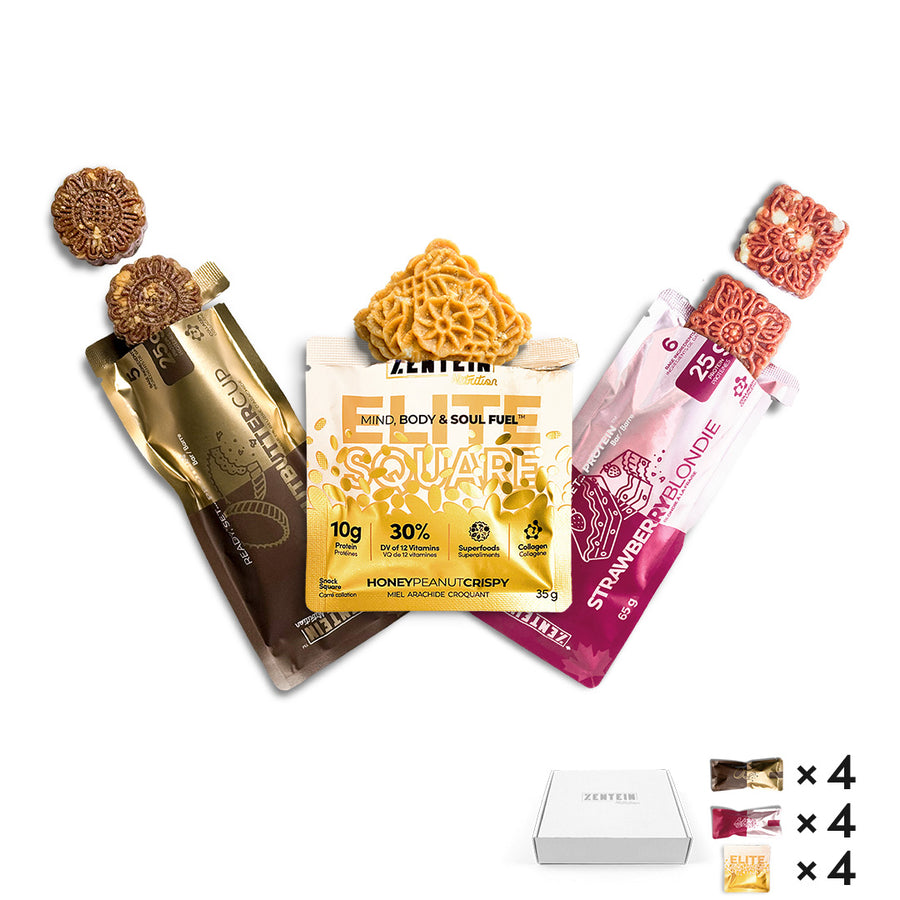
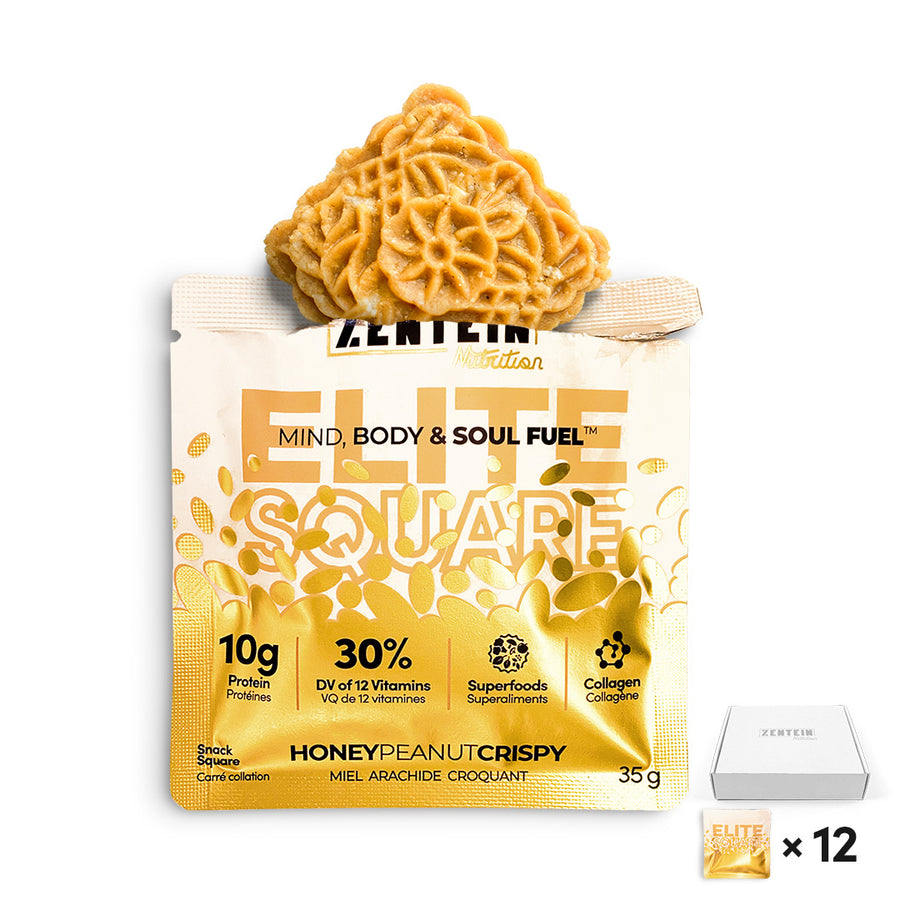
If you want an easy place to start, try our Protein Bars for clean, high-protein snacking, or grab the Starter Pack to sample a few options and see what fits your routine.
The bigger win is always the same: pick ingredients you understand, build habits you can repeat, and choose what works for real life—not for perfect life.
We wish you the best.
Sources
-
Health Effects of Various Edible Vegetable Oil: An Umbrella Review
https://pmc.ncbi.nlm.nih.gov/articles/PMC11374968/ -
The Effects of Palm Oil on Plasma and Serum Lipid Parameters: A Systematic Review on Animal Intervention Studies
https://pmc.ncbi.nlm.nih.gov/articles/PMC7381326/ -
Palm Oil Consumption Increases LDL Cholesterol Compared with Vegetable Oils Low in Saturated Fat in a Meta-Analysis of Clinical Trials
https://pubmed.ncbi.nlm.nih.gov/25995283/ -
Palm Oil and LDL Cholesterol
https://pubmed.ncbi.nlm.nih.gov/22071700/ -
Effect of Dietary Palm Kernel Oil on the Quality, Fatty Acid Profile, and Sensorial Attributes of Young Bull Meat
https://pmc.ncbi.nlm.nih.gov/articles/PMC8870976/
Keep exploring, or turn the idea into an everyday routine.