
It’s 3 PM, you’ve been in back-to-back meetings since lunch, your inbox is overflowing, and you’re reaching for whatever’s closest: pretzels from the break room, or a granola bar that’s been in your bag a little too long.
If that’s your normal workday rhythm, you’re not alone. What we choose in that mid-afternoon window can influence how steady we feel through the rest of the day, because some snacks digest quickly and leave us hungry again soon after, while others help us stay more even-keeled until dinner.
In this guide, we’ll keep it practical and talk about how to snack smarter at work, with a focus on getting more protein in without adding extra hassle.
Why Protein at Work?
Protein isn't just for gym-goers or people trying to build muscle. It plays a crucial role in keeping your brain sharp and your energy steady throughout the day.
When you eat protein, your body breaks it down slowly, providing a sustained release of energy rather than the quick spike and crash you get from sugary snacks. Some research even suggests that adequate protein intake supports cognitive function, including memory and attention, pretty handy when you're trying to focus on that spreadsheet or nail a presentation.
The sweet spot for a work snack? Aim for 10-20g of protein per serving. That's enough to keep you satisfied without feeling overly full or sluggish.
The Desk Drawer Dilemma
Here's where most of us go wrong: we wait until we're starving, then grab whatever's convenient. And "convenient" at the office usually means vending machine chips, leftover birthday cake, or that mysterious candy bowl by reception.
A simple fix is to stock your desk drawer with better options ahead of time, so you’re not making a decision when you’re already hungry and distracted.
When you have something nutritious within arm's reach, you're far more likely to choose a snack that supports steady energy and focus through the afternoon. The key is choosing snacks that are:
- Shelf-stable (no refrigerator required)
- Portable (easy to toss in your bag)
- Quick (no prep, no utensils, no mess)
- Actually satisfying (so you're not hungry again in 20 minutes)
Best High-Protein Snacks for the Office
Let's break down some practical options that check all the boxes.
Protein Bars and Squares
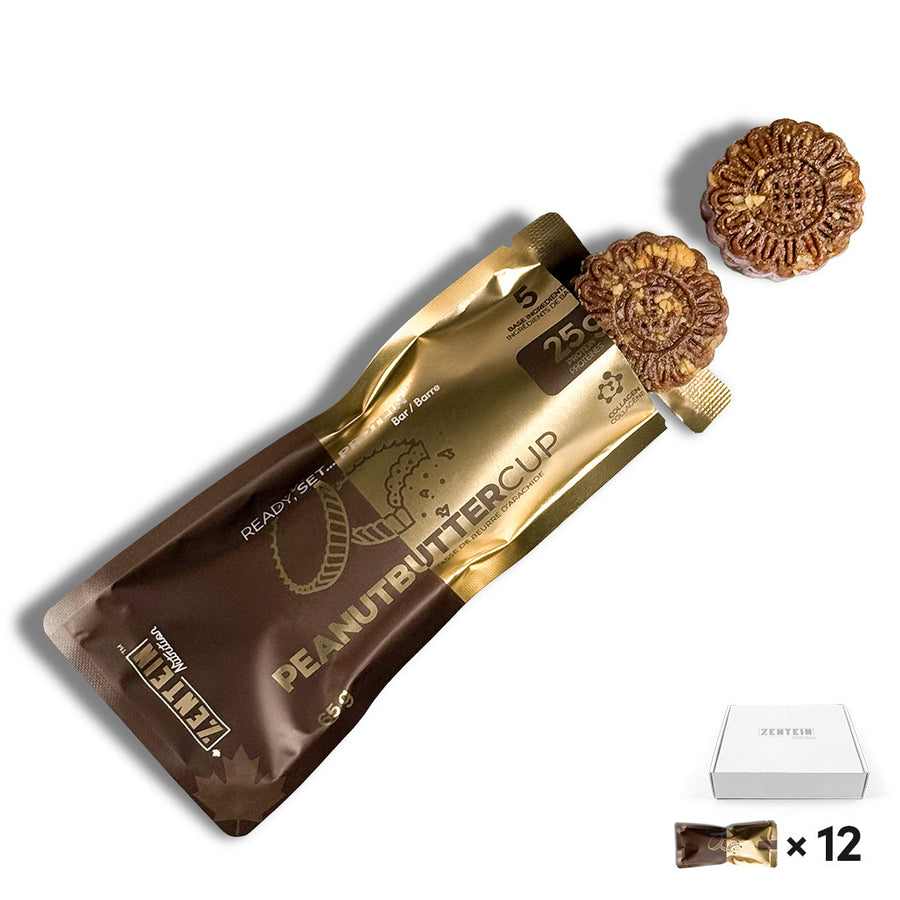
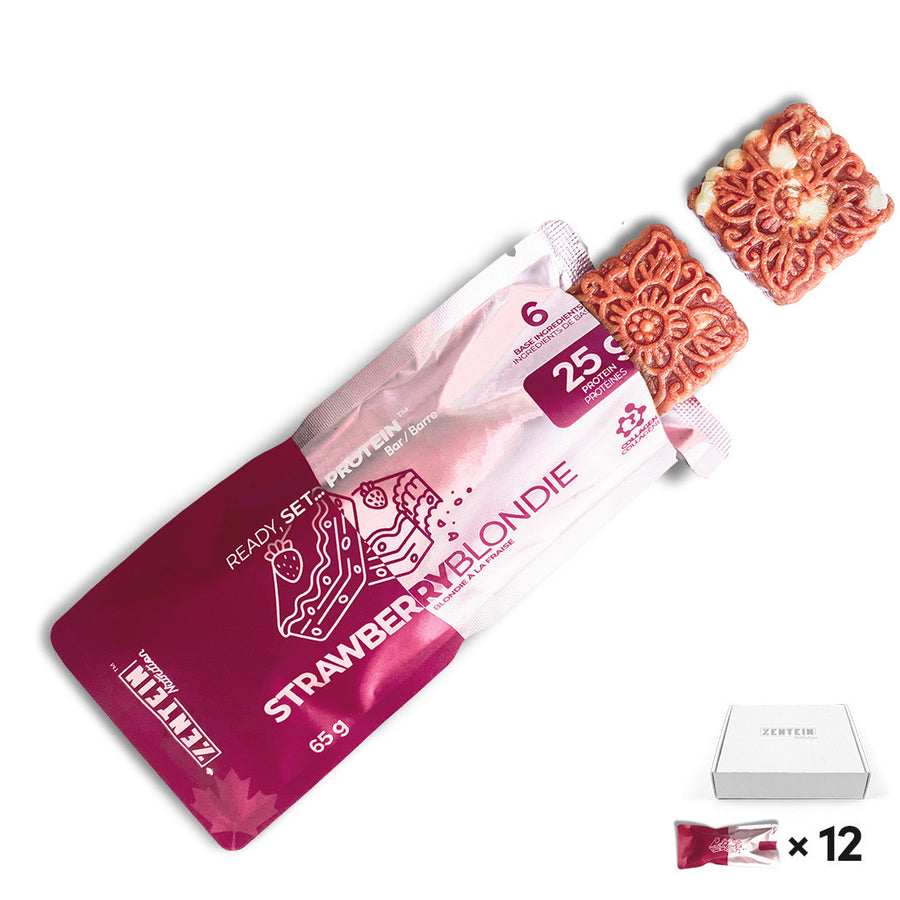
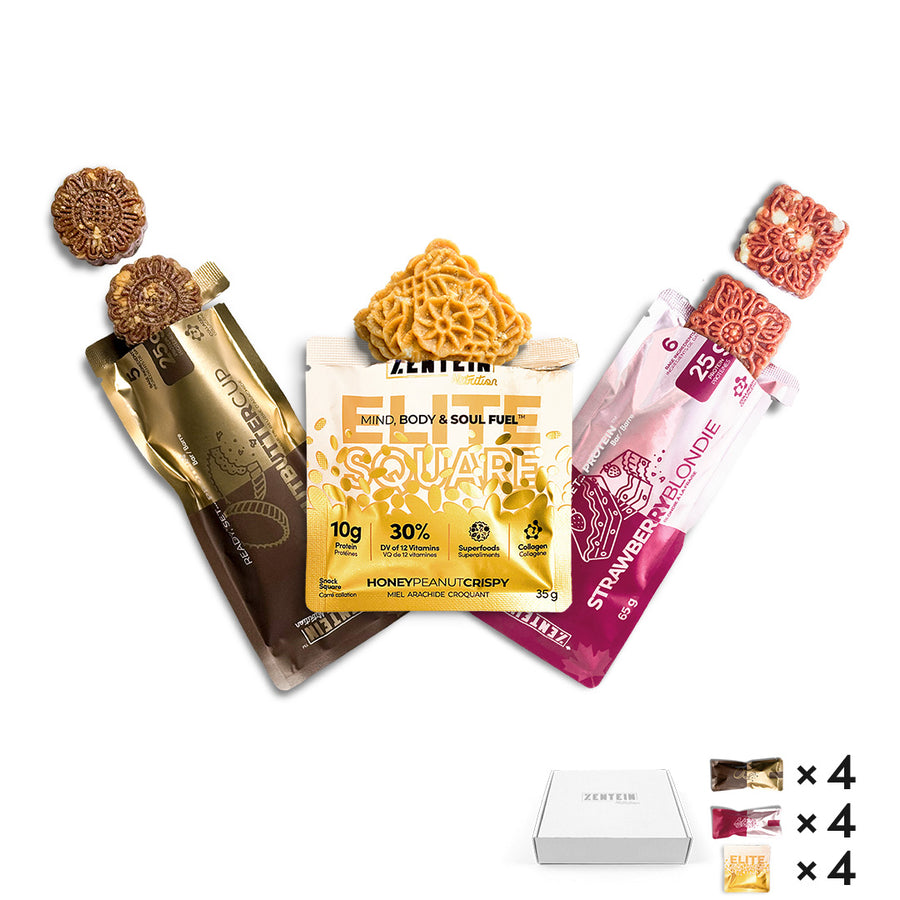
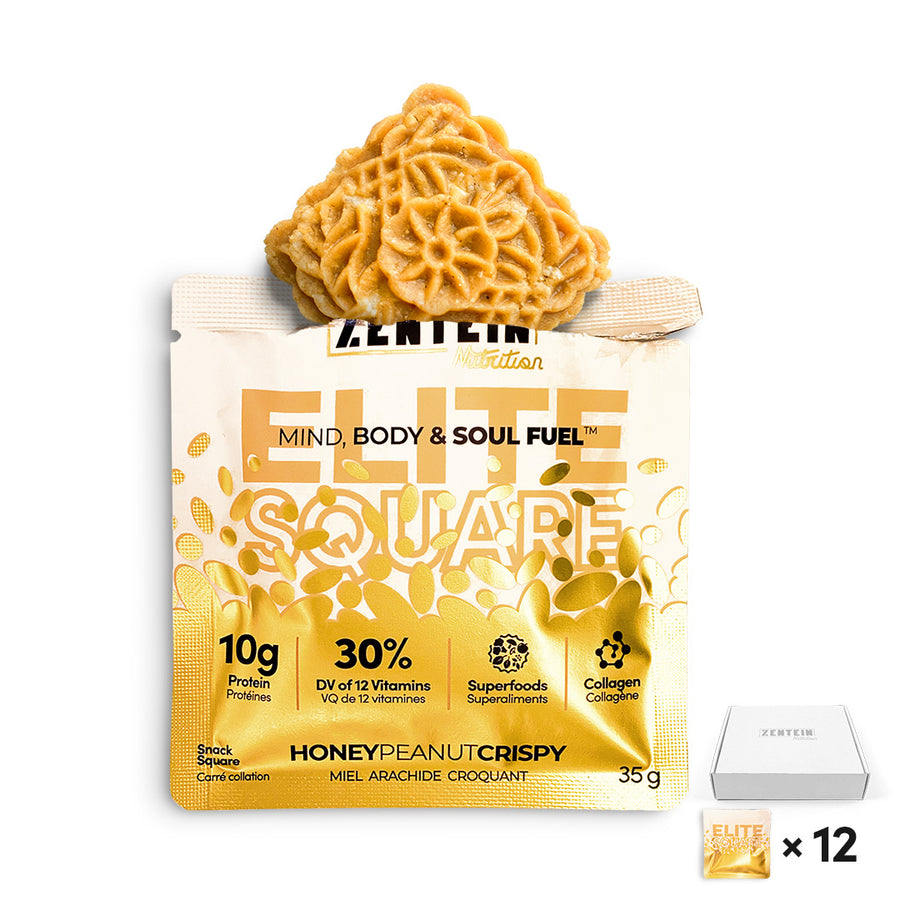
This is one of the easiest wins for busy professionals. A quality protein bar sits in your drawer, requires zero preparation, and can deliver a solid 10-20g of protein in a convenient package.
The catch is that many bars on the market lean heavily on artificial sweeteners, sugar alcohols, and other highly processed ingredients to hit certain macros while keeping calories low, and that combination doesn’t agree with everyone.
That’s why we created Zentein Protein Bars and Elite Squares. They’re built for real workdays: clean ingredients, satisfying protein, and flavours you’ll genuinely want to eat. Keep a few in your desk drawer at the start of the week and you’ll have a reliable option ready when the afternoon gets busy.
Nuts and Trail Mix
Nuts are nature's portable protein. Almonds and peanuts pack about 6-7g of protein per ounce, and they're naturally shelf-stable.
A small container of trail mix (nuts, seeds, maybe some dark chocolate pieces) makes for a satisfying snack that won't leave crumbs all over your keyboard. Just watch portion sizes, nuts are calorie-dense, so a small handful goes a long way.
Pro tip: Pistachios are a standout here. They're one of the few plant-based foods that contain all the essential amino acids your body can't produce on its own, making them a complete protein source.
Jerky
If you're looking for something savory, jerky delivers. A typical serving provides 10-12g of protein with minimal carbs, and it's incredibly portable.
Look for options with simple ingredient lists and lower sodium content. Beef, turkey, and even salmon jerky can all be solid choices depending on your taste preferences.
Hard-Boiled Eggs
This option takes a bit of prep, but it’s straightforward and tends to work well for people who prefer whole-food snacks.
If you have 15 minutes on Sunday, boil a batch of eggs and store them in your office fridge (if you have one). One egg gives you about 6g of protein, and two eggs can get you to roughly 12g with minimal effort.
They’re simple, portable, and more filling than they look.

The Refrigerator Crowd
If you have access to an office fridge (and trust that your snacks won't mysteriously disappear), a few more options open up.
Greek Yogurt
A single container of Greek yogurt delivers 14-20g of protein plus probiotics for gut health. Grab a plain variety and add your own fruit or a drizzle of honey if you want some sweetness without the sugar overload.
String Cheese
It's not just for kids' lunchboxes. A single string cheese stick provides 5-7g of protein and requires absolutely no preparation. Peel and eat.
Cottage Cheese
Half a cup of cottage cheese gives you around 14g of protein. Pair it with some berries or cherry tomatoes for a more complete snack.
Building Your Personal Snack System
The secret to consistent, healthy snacking isn't willpower: it's preparation.
Here's a simple system that works:
1. Pick 2-3 shelf-stable options you actually enjoy.
Maybe that's a couple of Zentein bars, a bag of almonds, and some jerky. Keep these in your desk drawer or bag at all times.
2. Add 1-2 fridge options if you have access.
Greek yogurt, cheese, hard-boiled eggs: whatever appeals to you.
3. Restock weekly.
Set a reminder on Sunday evening or Monday morning to replenish your stash. It takes five minutes and saves you from making poor choices when hunger strikes mid-meeting.
4. Keep it visible.
Out of sight, out of mind. If your healthy snacks are buried under files and chargers, you're less likely to reach for them. Keep them somewhere you'll actually see them.
What to Avoid
Not all "healthy" snacks are created equal. A few things to watch out for:
- “Sugar-free” snacks that rely on artificial sweeteners. Ingredients like sucralose and acesulfame potassium can be rough on some people’s digestion and appetite cues. If a snack leaves you feeling off (bloaty, extra snacky, or just not satisfied), that’s a sign to simplify.
- Protein bars with ingredient lists longer than your to-do list. If you can’t pronounce half of what’s in there, it’s usually a clue the bar is doing a lot of engineering to taste “healthy.”
- Ultra-processed add-ins and oils that don’t add real nourishment. Things like artificial colours/flavours and highly processed fats (including palm kernel oil) can show up in bars and “healthy” treats to improve texture and shelf life. They don’t help you feel better at 4 PM.
The goal is real food with real protein. Simple ingredients you recognize. Something that makes you feel good an hour after eating it, not just in the moment.
The Bigger Picture
At the end of the day, snacking at work isn’t about being perfect; it’s about making the “good choice” easier to reach when your calendar is full and your attention is already stretched.
You won’t nail it every day, and that’s normal. But when better options are readily available, you’re more likely to make choices that keep you steadier through the afternoon, which can mean fewer energy dips and a more consistent ability to focus.
Stock your drawer, keep your system simple, and adjust it based on what you actually enjoy eating and what makes you feel best.
Looking for protein bars that actually taste good and won't leave you reading a chemistry textbook? Check out our Protein Bars and Elite Squares( designed for exactly these moments.)
We wish you the best.
Sources
- Effect of Cocoa and Cocoa Products on Cognitive Performance in Young Adults
https://pmc.ncbi.nlm.nih.gov/articles/PMC7760676/ - Effects of a snack on performance and errors during a simulated 16-h night shift
https://journals.plos.org/plosone/article?id=10.1371/journal.pone.0258569
Keep exploring, or turn the idea into an everyday routine.