You've probably seen them on ingredient labels: erythritol, xylitol, sorbitol, and maltitol. They show up a lot in products marketed as "sugar-free" or "keto-friendly," because they can provide sweetness with fewer calories and less impact on blood sugar than regular sugar.
That trade-off can be useful in some situations. At the same time, these ingredients don’t always behave the way people expect once they reach the digestive system, especially when you’re eating them regularly or in larger amounts.
In this article, we’ll walk through what sugar alcohols are, why they can cause digestive symptoms for some people, what researchers are exploring about the microbiome, and how we think about sweeteners when we build products at Zentein.
What Exactly Are Sugar Alcohols?
Sugar alcohols (also called polyols) are carbohydrates that occur naturally in small amounts in some fruits and vegetables. In packaged foods like protein bars, sugar-free candies, and low-carb snacks, they’re typically produced through industrial processes and used as sweeteners and bulking agents.
They’re called "sugar alcohols" because of their chemical structure (part sugar-like, part alcohol-like). They do not contain ethanol, so they aren’t intoxicating.
The appeal for food manufacturers is straightforward: sugar alcohols provide sweetness with fewer calories and a minimal impact on blood glucose levels. For people managing diabetes or watching their carb intake, this sounds like a win.
For many people, the main trade-off isn’t blood sugar. It’s digestion.
The Digestive Reality Check
One important detail that often gets glossed over is that many sugar alcohols are only partially absorbed in the small intestine.
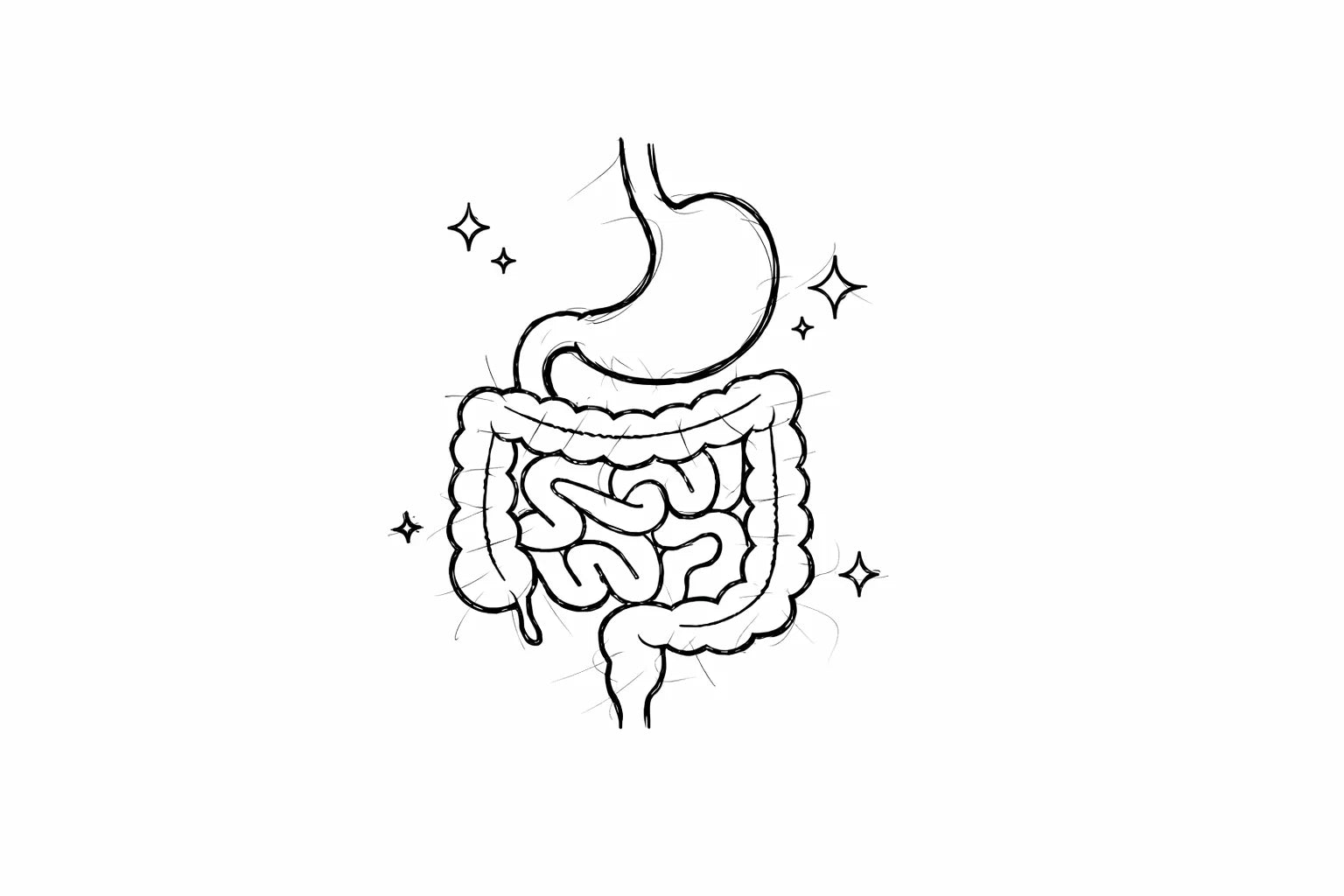
That means a portion can travel into the large intestine, where it may draw water into the gut (an osmotic effect) and be fermented by microbes. For some people, that combination can lead to symptoms like gas, bloating, and changes in stool consistency, especially as the dose increases.
A commonly cited human study on tolerance found that higher doses of xylitol were more likely to trigger bloating, gas, stomach discomfort, and diarrhea, while erythritol tended to be better tolerated overall, with symptoms becoming more noticeable at larger doses for some participants.
The severity of these symptoms depends on several factors:
- Individual sensitivity (some people are more reactive than others)
- The specific sugar alcohol (xylitol and maltitol tend to be harsher than erythritol)
- The amount consumed (effects often increase with quantity)
- What else you've eaten (other foods can amplify or buffer the effects)
Even moderate amounts can be uncomfortable for some people. If you’ve ever had a “sugar-free” snack and noticed bloating or GI upset afterward, that experience is consistent with what we see in the research on dose and individual tolerance.
Beyond Discomfort: What About Your Gut Bacteria?
Digestive discomfort is one part of the picture. Researchers are also studying how sugar alcohols may influence the gut microbiome (the community of microbes living in the digestive tract).
Your gut is home to trillions of microbes that play roles in digestion and immune function, and they may also influence things like inflammation and metabolism. Because of that, shifts in the overall balance of the microbiome are an active area of nutrition research.
Research indicates that excessive polyol consumption can reduce certain beneficial bacteria while altering the microbiota's overall balance. One study found that when gut bacteria like Clostridia are depleted (due to factors like antibiotics or high saturated fat intake), sorbitol cannot be properly broken down, leading to increased digestive symptoms.
In other words, sugar alcohols and gut bacteria have a complex relationship, and your baseline microbiome (plus the amount you consume) can shape how you feel after eating them.
We’re still learning about the long-term effects of regular intake, but the overall takeaway is straightforward: “sugar-free” doesn’t automatically mean “easy on your gut.”
The Heart Health Question
There’s also growing interest in how different sweeteners, including sugar alcohols, may relate to cardiovascular markers and risk over time. The evidence is still developing, the mechanisms are not fully understood, and findings can vary depending on the specific sweetener, dose, and the population being studied.
For us, the practical point is to stay cautious with daily, high-intake habits and to focus on ingredients that you personally tolerate well, rather than relying on a “sugar-free” label as a blanket signal of health.
The Marketing Problem
It’s worth keeping this grounded. Sugar alcohols aren’t inherently “bad,” and many people tolerate them well in small, occasional amounts.
The problem is how they're marketed.
"Sugar-free." "Keto-friendly." "Guilt-free." These phrases imply that products containing sugar alcohols are automatically healthier, that you can eat them freely without consequence.
That's not the full story.
When you see a protein bar with 2g of sugar but 15g of sugar alcohols, the sweetness is still coming from somewhere, and for some people that amount is enough to cause noticeable digestive symptoms.
We think it helps to know what you’re eating and what role each ingredient plays, especially if you’re troubleshooting digestion or choosing a bar you plan to eat often.
Why We Chose a Different Path
At Zentein, we make protein bars, and we care about taste. We also care about how our ingredients tend to sit for people when they’re part of a regular routine.
We didn’t want to rely on sugar alcohols to create a “sweet” profile, because we know many customers are trying to avoid ingredients that can be hard on digestion.
So we went back to something simple: Canadian honey.
Honey has been nourishing humans for thousands of years. It contains natural sugars, yes, but also trace enzymes, antioxidants, and compounds that your body recognizes and knows how to process.
Is honey something you can eat unlimited amounts of? No, and we don’t frame it that way. Used thoughtfully, it can be a familiar, simple sweetener that many people find easier to tolerate than large doses of sugar alcohols.
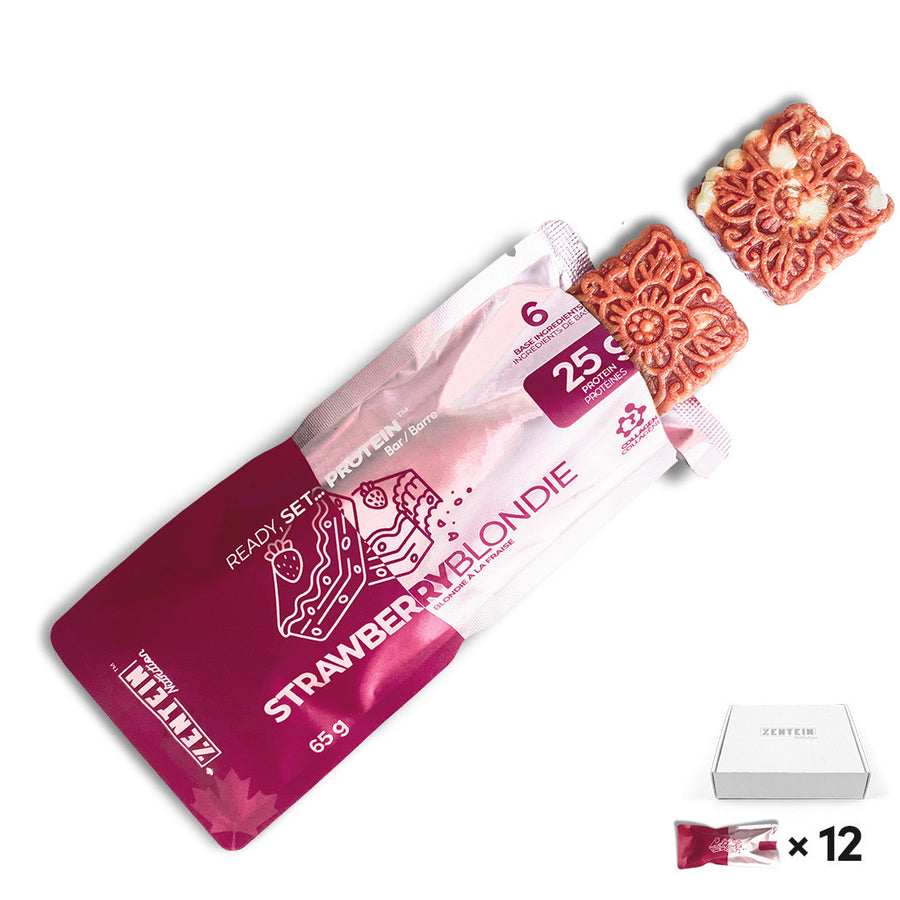
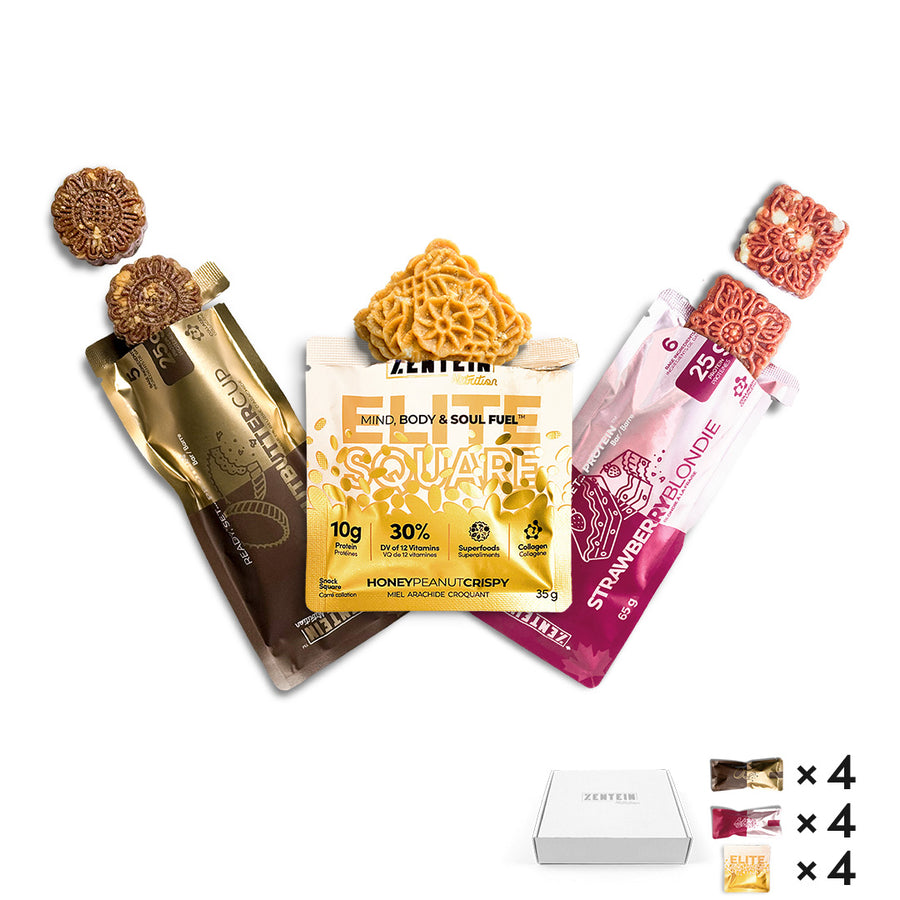
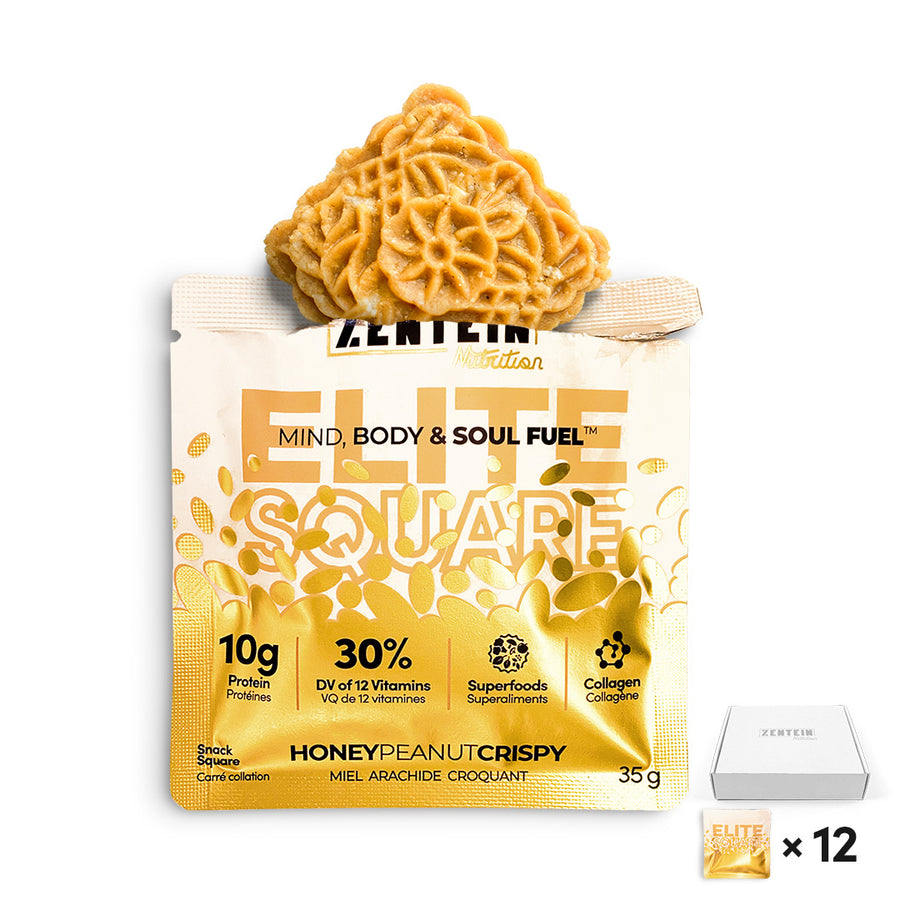
We pair our honey with Belgian chocolate, real nuts, and whole-food ingredients to build something that tastes rich and satisfying without leaning on artificial sweeteners or sugar alcohol blends.
No erythritol. No xylitol. No maltitol. No sugar alcohols at all.
Just clean ingredients your body understands.
What This Means for You
We're not here to tell you that sugar alcohols are poison or that you should panic if you've been eating them. Bodies are resilient, and occasional exposure to less-than-ideal ingredients isn't the end of the world. But bodies can also be improved, fine-tune and optimized so you feel better than you have ever felt before.
But if you've been experiencing unexplained digestive issues: bloating, gas, discomfort: it might be worth taking a closer look at your sugar-free snacks.
And if you're someone who eats protein bars regularly (maybe daily), the cumulative effect of sugar alcohols deserves consideration.
Here are a few questions worth asking:
- How does my body actually feel after eating sugar-free products?
- Am I choosing these products because they genuinely serve me, or because the marketing made them sound healthier?
- What am I trading for that "sugar-free" label?
The Bottom Line
Sugar alcohols don’t spike blood sugar the way regular sugar does, and that can be helpful in specific contexts.
At the same time, they’re not a “free” ingredient. Depending on the type and the dose, they can cause digestive discomfort, and they may influence the microbiome in ways researchers are still working to understand, especially when they’re consumed frequently.
Our take is simple: aim for sweeteners and ingredients you can tolerate consistently, and pay attention to how you actually feel after eating “sugar-free” products. That’s a more reliable guide than the front-of-pack marketing.
We wish you the best.
Sources
-
Lenhart A, Chey WD. A Systematic Review of the Effects of Polyols on Gastrointestinal Health and Irritable Bowel Syndrome.
https://pmc.ncbi.nlm.nih.gov/articles/PMC5508768/ -
Mäkinen KK. Gastrointestinal Disturbances Associated with the Consumption of Sugar Alcohols with Special Consideration of Xylitol: Scientific Review and Instructions for Dentists and Other Health-Care Professionals.
https://pmc.ncbi.nlm.nih.gov/articles/PMC5093271/ -
Gut Microbiota Prevents Sugar Alcohol-Induced Diarrhea.
https://pmc.ncbi.nlm.nih.gov/articles/PMC8231616/ -
Bordier V, Teysseire F, Senner F, et al. Absorption and Metabolism of the Natural Sweeteners Erythritol and Xylitol in Humans: A Dose-Ranging Study.
https://pmc.ncbi.nlm.nih.gov/articles/PMC9456049/
Keep exploring, or turn the idea into an everyday routine.