
When you flip over a protein bar and scan the ingredients, you may see a mix of familiar foods and a few names that sound more technical than snackable. Things like sucralose, acesulfame potassium, maltitol, or aspartame.
If you’ve wondered why these ingredients show up in so many “healthy” protein bars, and whether it makes sense to avoid them, you’re not alone.
Here are 10 practical things to know when you’re looking for protein bars without artificial sweeteners.
1. Artificial Sweeteners Are Used Because They're Cheap and Calorie-Free
At a basic level, sucralose, aspartame, and acesulfame potassium (often listed as acesulfame-K or Ace-K) are used because they provide a lot of sweetness with little to no calories.
For brands trying to hit a “low sugar” or “zero sugar” claim on the front of the package, artificial sweeteners can be a simple way to keep the numbers down while still tasting sweet.
It’s also worth remembering that “calorie-free” doesn’t automatically mean “better for everyone,” especially if you’re sensitive to certain sweeteners or prefer a more whole-food ingredient list.
2. "No Added Sugar" Doesn't Mean "No Artificial Sweeteners"
This is where label reading matters.
A bar can proudly claim "no added sugar" while still containing sucralose, stevia glycosides, or sugar alcohols like maltitol and erythritol. Technically, these aren't "sugar," so brands can use them freely without triggering that label.
If you're specifically looking to avoid artificial sweeteners, you'll need to flip the package over and actually read the ingredient list. The front of the package won't tell you the whole story.
3. Sugar Alcohols Often Cause Digestive Discomfort
Sugar alcohols: maltitol, erythritol, xylitol, isomalt: fall into a grey area. They're not technically artificial sweeteners, but they're not exactly natural either. They're processed compounds that taste sweet but aren't fully absorbed by your body.
Because sugar alcohols aren’t fully absorbed, some people experience bloating, gas, stomach cramps, or other digestive discomfort after eating products that contain them. It doesn’t happen to everyone, but it’s common enough that many people start looking for alternatives.
If you’ve ever eaten a protein bar and felt “off” afterward, sugar alcohols are one possible reason (though not the only one).
4. That Weird Aftertaste? It's Not Just You.
Some people notice a lingering aftertaste with certain sweeteners, especially in very “low sugar” bars. It can come across as metallic, overly sweet, or a bit chemical, and it’s often linked to artificial sweeteners or sugar alcohols.
Sucralose and stevia are commonly mentioned here, although taste is personal and not everyone experiences it the same way.
In contrast, traditional sweeteners like honey or maple syrup tend to taste more familiar because they’re simple foods with flavours we recognize.
5. Natural Sweeteners Exist, and They Work Beautifully
The good news is you don’t need artificial sweeteners to make a protein bar taste great.
Honey, maple syrup, dates, rice syrup, and fruit have been sweetening food for centuries. They add real flavour, recognizable nutrition, and a sweetness that actually feels satisfying rather than hollow.
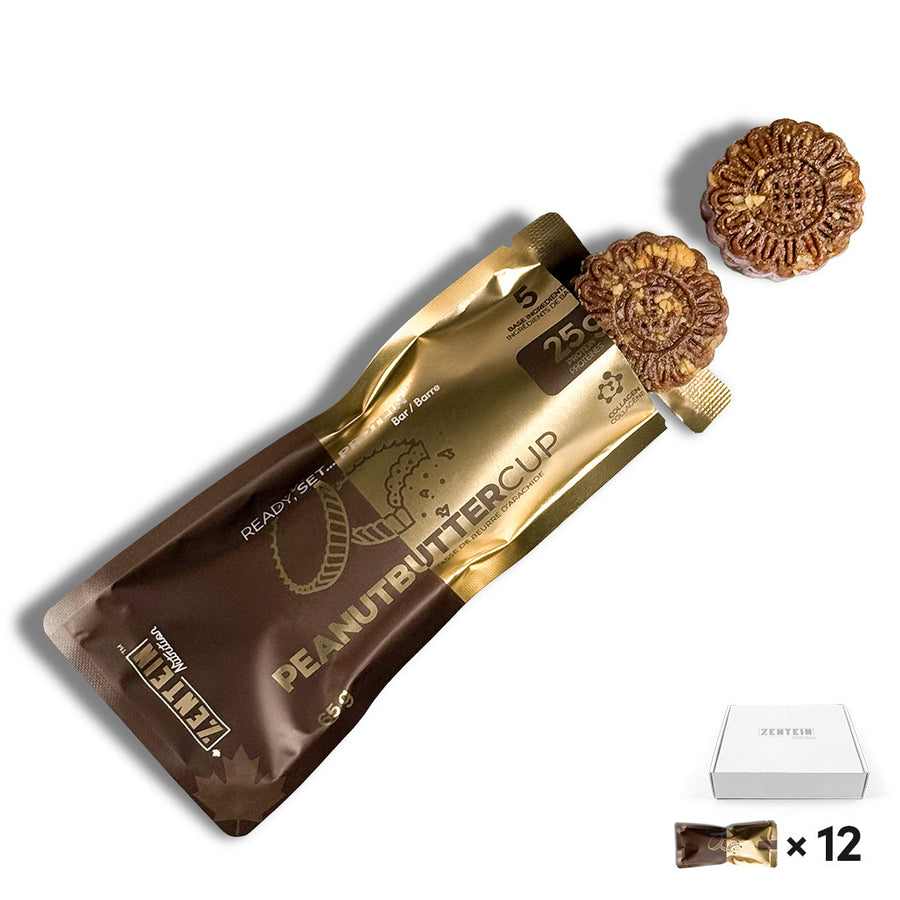
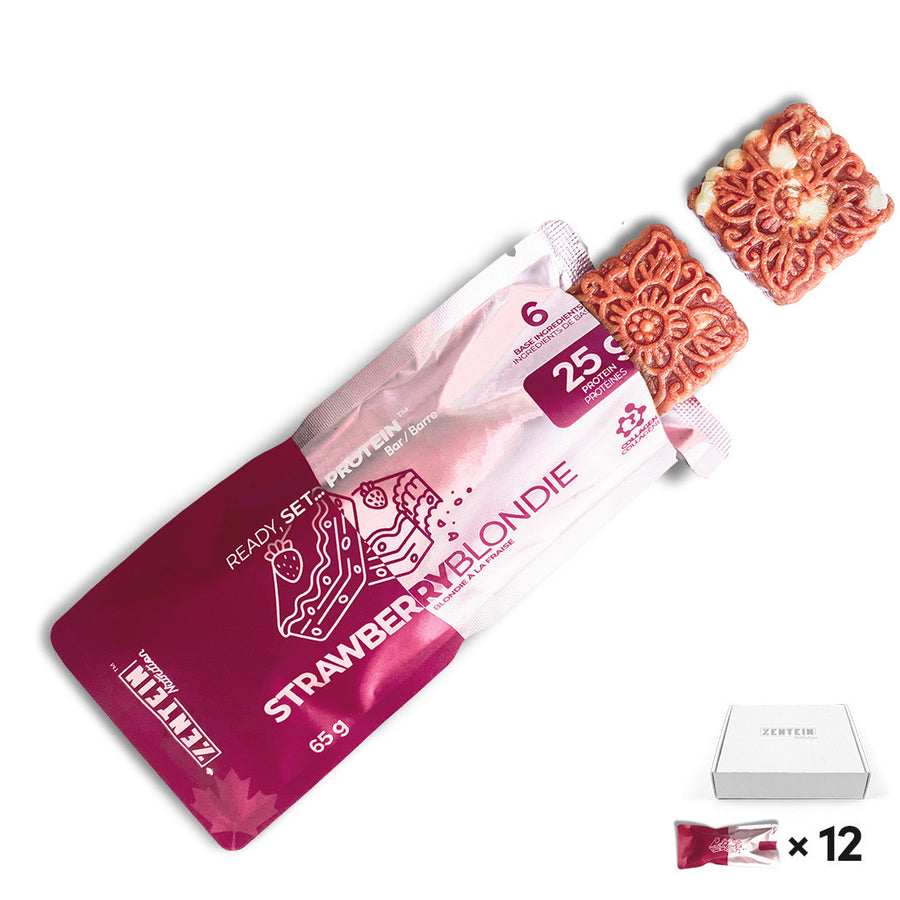
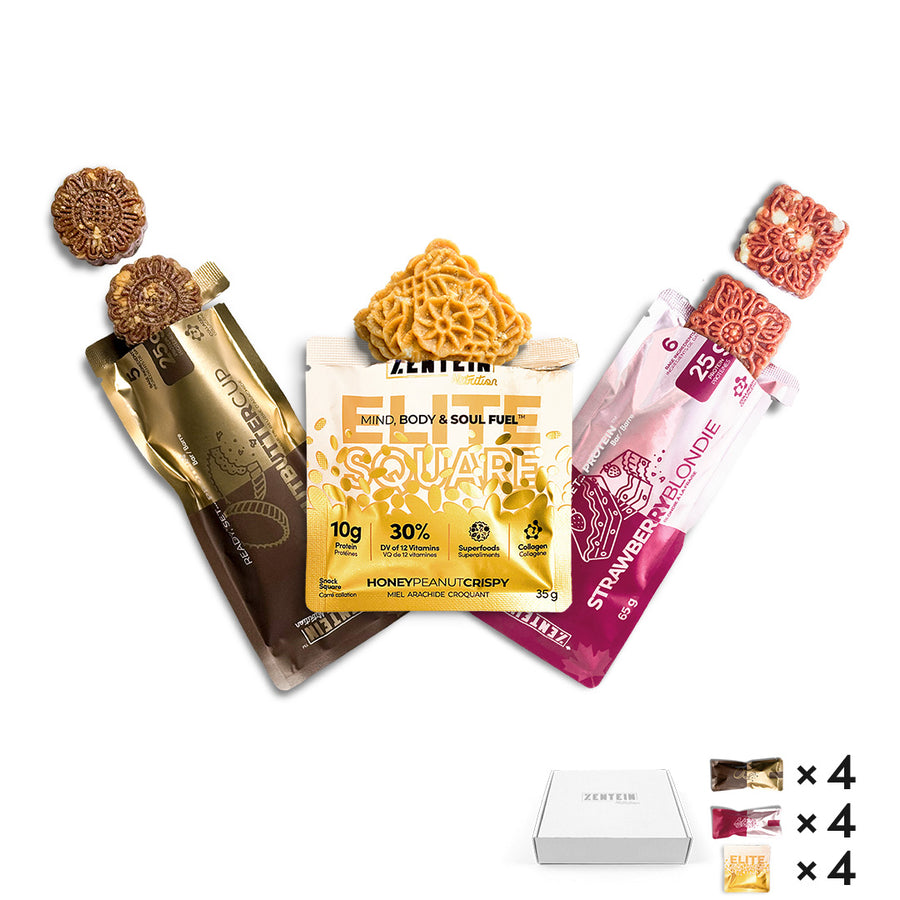
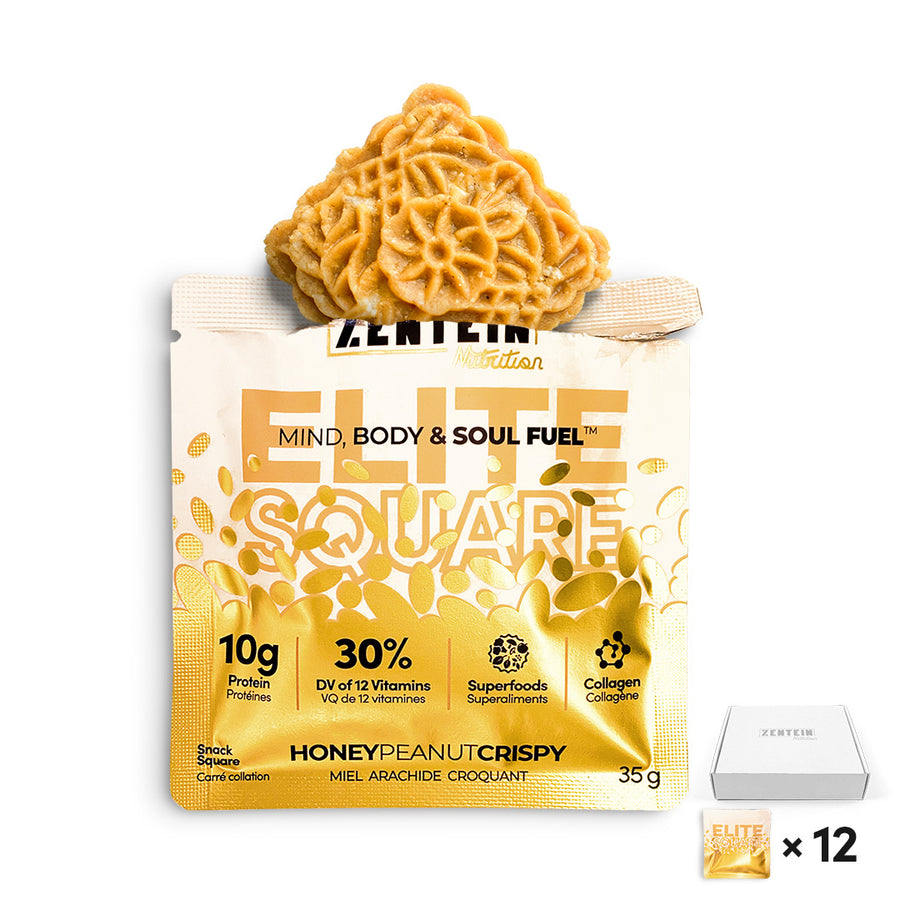
At Zentein, we use Canadian honey as our primary sweetener. It’s straightforward, it’s familiar, and it helps our bars taste like real food.
6. Why Do We Use Canadian Honey?
We get asked this a lot, so here’s the thinking behind it.
Honey is a traditional sweetener that contains small amounts of naturally occurring compounds (including antioxidants), along with a balance of glucose and fructose. It is also a natural preservative that prevents fungal and microbial growth.
We source ours from Canadian beekeepers because quality matters. Canadian honey is known for its purity, and sourcing local means we know exactly where our ingredients come from.
No artificial sweeteners, no sugar alcohols just honey doing what it’s always done: adding sweetness and flavour.
7. A Shorter Ingredient List Usually Means a Cleaner Bar
A simple rule of thumb is that if the ingredient list looks like your pantry, you’re usually on the right track. If it’s packed with unfamiliar additives and multiple sweeteners, it may be worth taking a closer look.
Oats, nuts, honey, cocoa, protein: these are ingredients you recognize. They're real foods with real nutritional value.
When you start seeing long chemical names, artificial colours, preservatives, and multiple types of sweeteners stacked on top of each other, that's a sign the bar is leaning heavily on processing rather than whole-food ingredients.
For us, simplicity isn’t just a label; it’s part of how we think about building everyday nutrition
9. Real Chocolate Beats Fake Coatings Every Time
This is something we pay close attention to.
Some protein bars use chocolate-flavoured coatings made from palm oil and maltitol instead of actual chocolate. It saves money, but the taste difference is obvious. That waxy texture and artificial sweetness just can't compare to the real thing.
We use real Belgian chocolate in our bars because it delivers the flavour and texture people expect.
10. The Trend Is Moving Toward Real Food: And That's a Good Thing
Consumer preferences are shifting as more people read labels, ask questions, and choose products with shorter ingredient lists, natural sweeteners, and transparent sourcing.
The protein bar market is gradually responding, but marketing can still make it hard to compare products at a glance, especially when terms like “natural flavours” are doing a lot of work.
The most reliable approach is still simple: read the ingredient list, understand the sweeteners being used, and choose the option that fits your preferences and digestion best.
What to Look For (Quick Summary)
When you're scanning the shelves for a protein bar without artificial sweeteners, here's your checklist:
- Avoid: sucralose, aspartame, acesulfame-K, maltitol, erythritol, xylitol, isomalt
- Look for: honey, maple syrup, dates, fruit, rice syrup
- Prefer: short ingredient lists with recognizable foods
- Trust: brands that are transparent about their sourcing and choices
Why We Do Things Differently
At Zentein, we don’t use artificial sweeteners because we prefer to keep our ingredient list straightforward and food-first.
Our bars are sweetened with Canadian honey, made with clean protein sources, and built to be an easy, reliable option you can feel good about keeping in your routine.
If you’ve been looking for protein bars without artificial sweeteners, we invite you to explore our protein bars and see if they’re a fit for your preferences.
We wish you the best.
Sources
- Exploring the Long-Term Effect of Artificial Sweeteners on Metabolic Health
https://pmc.ncbi.nlm.nih.gov/articles/PMC11501561/ - Sucralose: From Sweet Success to Metabolic Controversies—Unraveling the Global Health Implications of a Pervasive Non-Caloric Artificial Sweetener
https://pmc.ncbi.nlm.nih.gov/articles/PMC10971371/ - The Artificial Sweetener Acesulfame Potassium Affects the Gut Microbiome and Body Weight Gain in CD-1 Mice
https://pmc.ncbi.nlm.nih.gov/articles/PMC5464538/ - Association Between Intake of Non-Sugar Sweeteners and Health Outcomes: Systematic Review and Meta-Analyses of Randomised and Non-Randomised Controlled Trials and Observational Studies
https://pmc.ncbi.nlm.nih.gov/articles/PMC6313893/ - Nonnutritive Sweeteners and Cardiometabolic Health
https://pmc.ncbi.nlm.nih.gov/articles/PMC5515645/ - A Systematic Review of Nonsugar Sweeteners and Cancer Epidemiology Studies
https://pubmed.ncbi.nlm.nih.gov/41038346/
Keep exploring, or turn the idea into an everyday routine.