
Walk into any grocery store in Canada and you'll face an entire wall of protein bars. Some promise muscle gains. Others claim to be meal replacements. Many tout "clean" ingredients, but when you flip the package over, you're met with a list of words that sound more like a chemistry exam than food.
The protein bar market has exploded over the past decade, and with that growth comes a lot of noise. Some bars are genuinely nutritious, whole-food options. Others are candy bars in disguise, loaded with artificial sweeteners, synthetic fibers, and highly processed proteins. The challenge isn't finding a protein bar: it's finding one that actually supports your health goals without compromising on ingredient quality.
We put together this practical checklist to help you navigate the crowded protein bar aisle with confidence. Whether you're fueling a workout, looking for a convenient snack, or trying to increase your daily protein intake, these guidelines will help you separate the real deal from the marketing hype.
Start with the Protein Source
The quality of protein in your bar matters more than the quantity. You want a protein source that's bioavailable, minimally processed, and ideally from a sustainable origin.
Look for these quality protein sources:
- Collagen and gelatin
- Whey protein isolate (if dairy works for you)
- Organic sprouted plant proteins
- Clean animal proteins
Be cautious of:
- Soy protein isolate, which can contain processing residues and is a common allergen
- Highly processed protein blends with vague labeling
- Bars that don't clearly identify their protein source
Collagen protein deserves special mention here. It provides all the amino acids your body needs for connective tissue health, skin elasticity, and muscle recovery. Research suggests that collagen supplementation may support joint health and improve skin hydration, particularly when combined with vitamin C sources. Unlike some plant proteins, collagen is highly bioavailable: your body can actually use what it absorbs.
If you're lactose intolerant but want dairy-based protein, look specifically for whey isolate rather than whey concentrate. The isolate form has the lactose removed during processing, making it easier to digest for most people.
Check the Sweetener Situation
This is where many "healthy" protein bars stumble. Added sugars, artificial sweeteners, and sugar alcohols can undermine the nutritional value of an otherwise decent bar.
Sweeteners to avoid:
- Sucralose and acesulfame potassium (artificial sweeteners linked to gut microbiome disruption)
- Sugar alcohols like maltitol, sorbitol, and erythritol (can cause digestive distress)
- Excessive amounts of added cane sugar or corn syrup
Better alternatives:
- Honey, particularly Canadian honey
- Maple syrup in modest amounts
- Dates or date paste
- Monk fruit or stevia (if you tolerate them)
The research on artificial sweeteners continues to evolve, but studies suggest they may negatively impact glucose metabolism and gut bacteria diversity. While sugar alcohols are technically natural, they're poorly absorbed in the small intestine, which often leads to bloating and discomfort.
Canadian honey is a particularly good option. It provides natural sweetness along with trace amounts of antioxidants, enzymes, and minerals. It's a whole food that humans have consumed for thousands of years, not a laboratory creation.
Decode the Ingredient List
A protein bar doesn't need 30 ingredients to be effective. In fact, the opposite is often true.
What you want to see:
- A short list (ideally under 10 ingredients)
- Ingredients you recognize and can pronounce
- Whole food ingredients listed first
- Transparency about sourcing (e.g., "grass-fed collagen" vs. just "collagen")
Red flags:
- Long lists of additives, preservatives, and synthetic fibers
- Vague terms like "natural flavors" without clarification
- Multiple types of sweeteners combined to keep each one lower on the ingredient list
- Ingredients listed in a confusing order to obscure what's actually in the bar
The ingredient list tells you what's actually in the product, not just what the marketing team wants to highlight. Companies are legally required to list ingredients in descending order by weight, so the first few ingredients make up most of the bar. If you see sugar or a synthetic sweetener listed first or second, that's your primary ingredient.
Evaluate the Macronutrient Balance
A balanced protein bar should prioritize protein without going overboard on fats or carbohydrates.
Your needs depend on your goals, activity level, and how you're using the bar. A 150-calorie bar works well as a snack between meals. A 250-calorie bar with higher protein might serve as a post-workout option or light meal replacement.
The fiber content deserves attention. Natural fiber from oats, nuts, or seeds is great. But watch out for bars loaded with inulin, chicory root fiber, or other isolated fibers added to boost the fiber number on the label. These synthetic fibers can cause significant digestive discomfort, especially if you're eating more than one bar in a day.
Watch Out for Common Pitfalls
Even bars that look healthy at first glance can hide some issues:
The protein ratio: Some bars contain decent protein amounts but are overshadowed by sugar and fat. Calculate the protein-to-total-calories ratio. A good bar should derive at least 30-40% of its calories from protein.
The serving size trick: Check if the nutrition facts are for the whole bar or just part of it. Some companies list values for half a bar to make the numbers look better.
Marketing language: Terms like "natural," "clean," or "healthy" aren't regulated. They can mean almost anything. Always read the actual ingredients.
Our Approach at Zentein
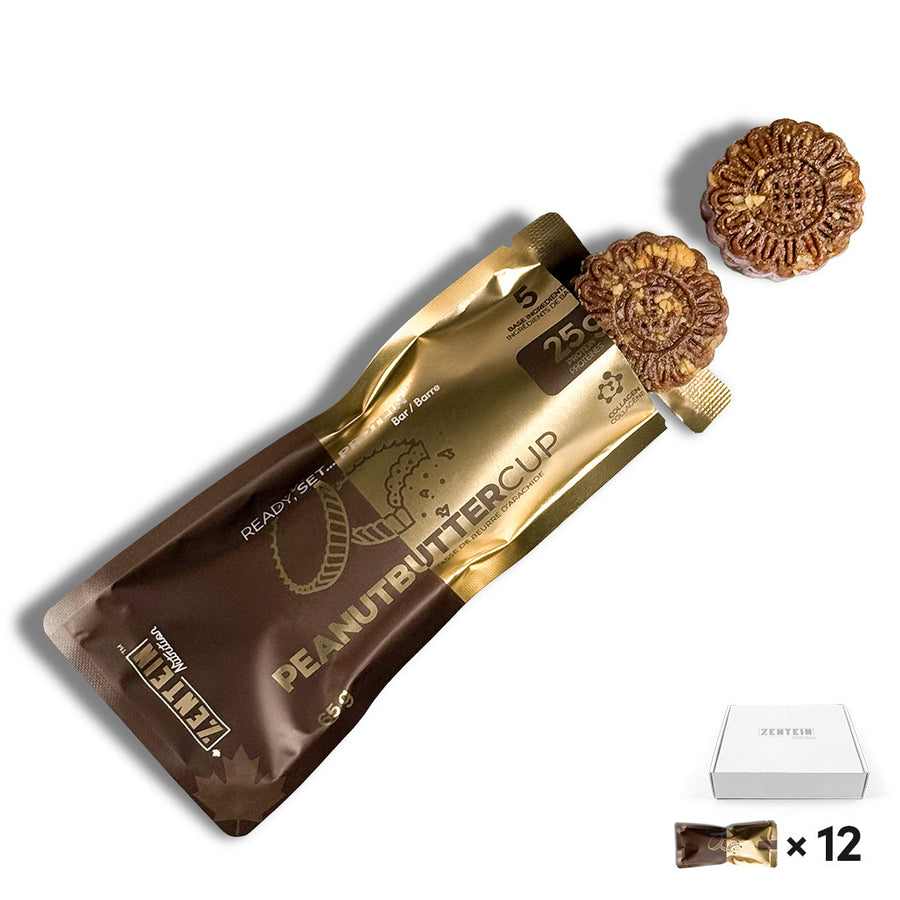
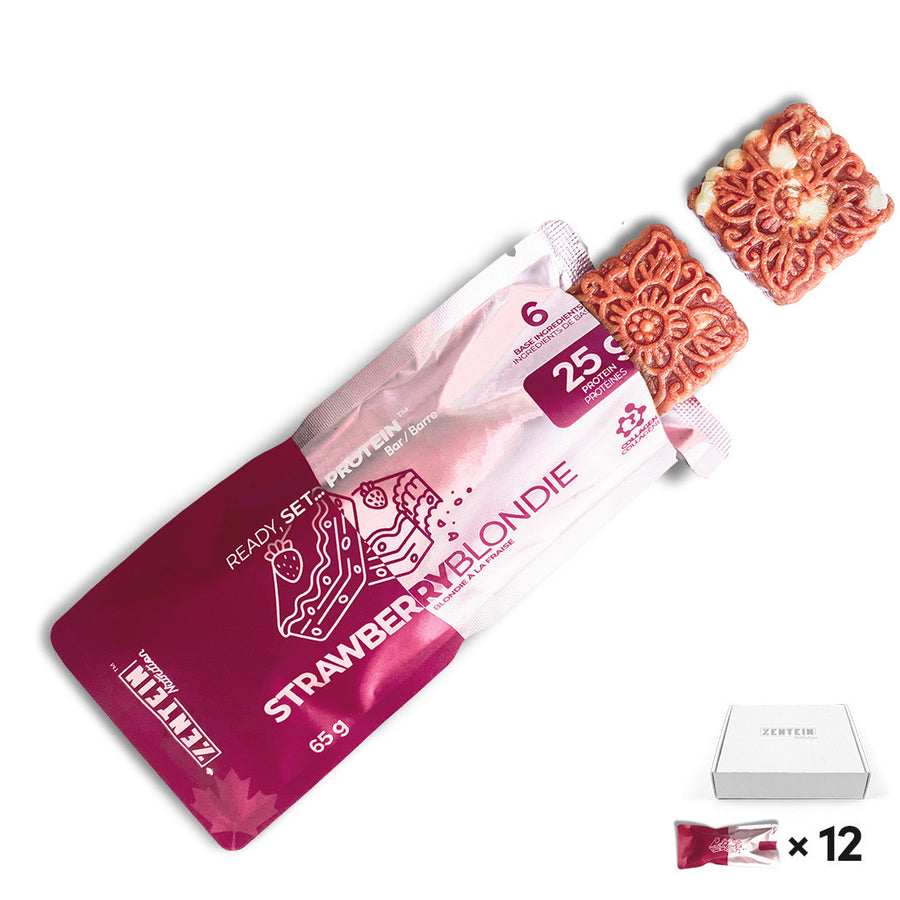
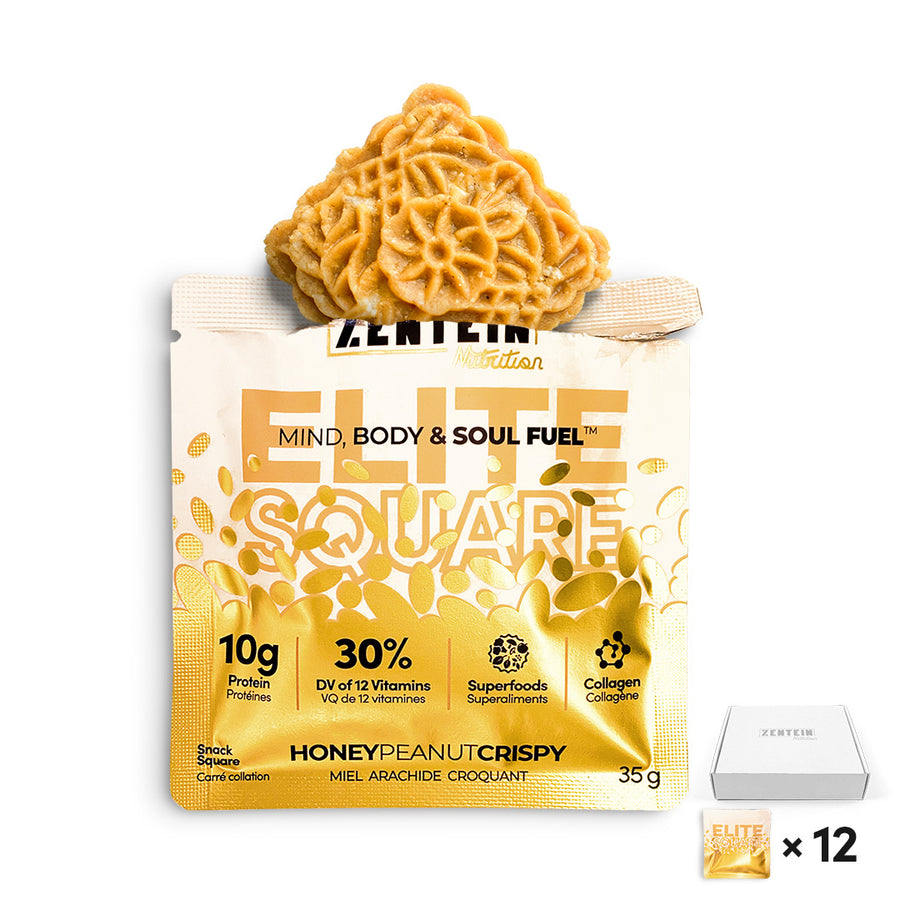
We built our protein bars around a simple principle: real food, transparent sourcing, and no shortcuts. Each bar contains 25 grams of grass-fed collagen protein, sweetened with Canadian honey instead of artificial alternatives or sugar alcohols. We use Belgian chocolate, natural nut butters, and keep our ingredient lists short: typically five to six recognizable items.
The collagen we use comes from grass-fed sources, providing the full amino acid profile your body needs for recovery, joint health, and overall wellbeing. No sucralose, no maltitol, no synthetic fibers that leave you bloated. Just ingredients you'd find in your own kitchen, portioned for convenience.
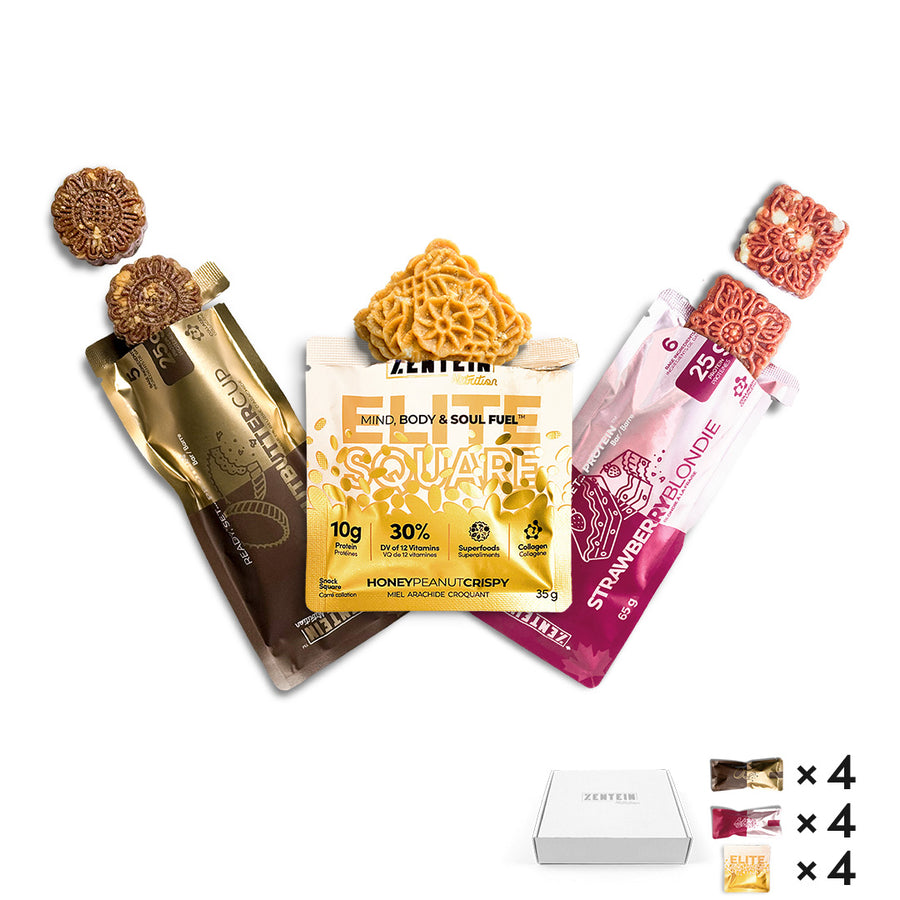
If you're new to Zentein, our starter pack or Zentein box lets you try different flavors without committing to a full box. It's a practical way to see if our approach to protein bars aligns with what you're looking for.
The protein bar market will continue to grow and evolve. New ingredients will emerge, and companies will keep finding creative ways to stand out on crowded shelves. But the fundamentals remain the same: look for quality protein, minimize artificial ingredients, and choose bars made from real food. Your body knows the difference, even if the marketing doesn't always make it clear.
We wish you the best.
Sources
- National Center for Biotechnology Information. (2022). Effects of Collagen Supplementation on Joint Health. PMC. https://www.ncbi.nlm.nih.gov/pmc/articles/PMC8836467/
- National Institutes of Health. (2021). Artificial Sweeteners and Glucose Metabolism. PMC. https://www.ncbi.nlm.nih.gov/pmc/articles/PMC6363527/
- Harvard T.H. Chan School of Public Health. (2023). Protein Quality and Bioavailability. The Nutrition Source. https://www.hsph.harvard.edu/nutritionsource/what-should-you-eat/protein/
- Journal of the International Society of Sports Nutrition. (2023). Protein Requirements for Athletes and Active Individuals. PMC. https://www.ncbi.nlm.nih.gov/pmc/articles/PMC10398451/
Keep exploring, or turn the idea into an everyday routine.