Most of us have been there at some point.
It’s a new year, a new month, or maybe just a particularly motivated Monday, and we come across a plan promising dramatic results in a few weeks. It might be “no carbs,” “no fat,” or a cleanse that turns meals into liquids for a stretch. The marketing is polished, the before-and-after photos are convincing, and it can feel like finally finding a clear path forward.
So we try it. Sometimes we even see quick progress at first, which makes the approach feel validated. The issue is that real life doesn’t pause for a diet, and the stricter the rules get, the harder they are to live with over time. When the plan stops being realistic, the pendulum often swings back, and people end up regaining what they lost (and occasionally more).
That’s the core problem with many fad diets: they’re structured for short-term compliance, not long-term health. In this article, we’ll walk through why the “quick fix” mindset is so common, why it tends to backfire, and what a more sustainable approach can look like in everyday life.
Why Do We Keep Falling for Fad Diets?
It’s not because we’re gullible; it’s because we’re human.
Fad diets are appealing because they simplify something that can feel complicated. They offer certainty in an uncertain world: a tight set of rules, a clear finish line, and a story that suggests results are guaranteed if you follow the plan closely enough.
And to be fair, these diets can produce early results. The catch is that the first stretch of weight loss on highly restrictive plans is often influenced by shifts in glycogen and water, and sometimes by loss of lean mass, not just body fat. It looks like fast progress, but it isn’t always the kind of progress that’s easy to maintain once normal routines and normal eating return.
The Numbers Don't Lie
Many people who lose weight through dieting struggle to keep it off over time, and weight regain after weight loss is common in both clinical studies and real life. That pattern isn’t a personal flaw; it’s often a predictable outcome of approaches built around extreme restriction, such as cutting entire food groups, pushing calories too low, or using rigid rules that don’t leave room for travel, celebrations, stress, or simple schedule changes.
In other words, the stricter the plan, the more fragile it tends to be. When the plan breaks, people often end up returning to old habits quickly because they never had a chance to practice realistic, repeatable routines in the first place.
The Hidden Costs of Quick Fixes
Beyond the cycle of losing and regaining weight, fad diets can come with downsides that are easy to overlook when the focus is only on fast results.
Nutrient deficiencies. When you eliminate entire food groups: whether that's carbohydrates, fats, or anything else: you're also eliminating the vitamins, minerals, and fiber that come with them. Over time, this can lead to weakened immunity, fatigue, poor skin health, and even loss of muscle and bone density.
Metabolic disruption. Severe calorie restriction can slow your metabolism, making it harder to maintain weight loss even when you're eating less. Your body adapts to scarcity by becoming more efficient at storing energy: the opposite of what you want.
Mental and emotional strain. The deprivation mindset that fad diets create often leads to an unhealthy relationship with food. Feelings of guilt, shame, and failure become tied to eating, which can spiral into cycles of binge eating and self-punishment.
Hormonal imbalances. Extreme dieting can throw your hormones out of balance, leading to increased cravings, mood swings, and difficulty sleeping. Your body is essentially sending distress signals that something isn't right.
None of this is worth a few weeks of rapid weight loss.
What Does Sustainable Nutrition Actually Look Like?
Sustainable nutrition can be refreshingly straightforward in practice, even if it takes time to feel “normal.” It doesn’t require elaborate rules or expensive add-ons, but it does ask for consistency and patience, because the goal is a pattern you can repeat for months and years, not a sprint you can survive for a few weeks.
Sustainable nutrition is built on a few core principles:
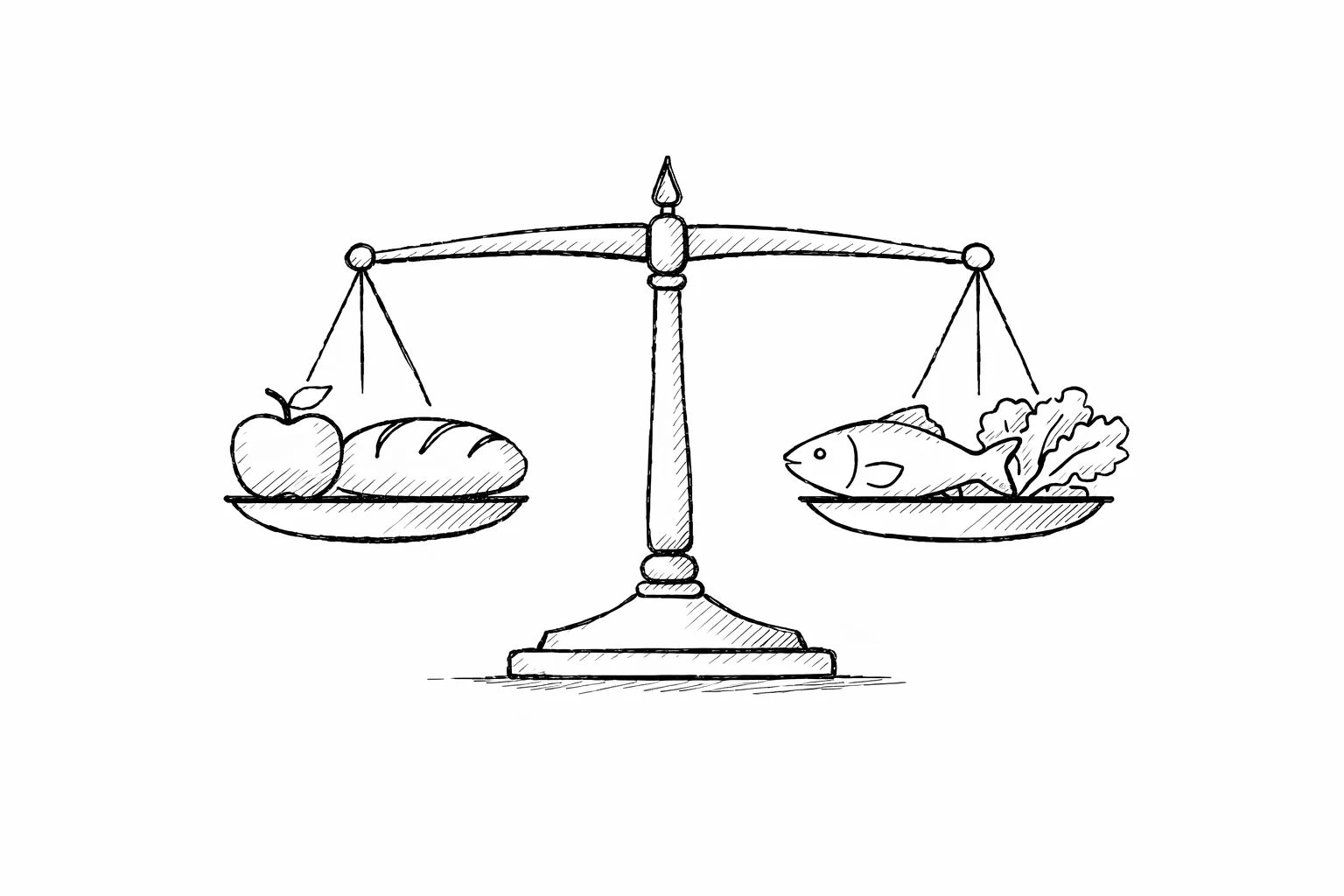
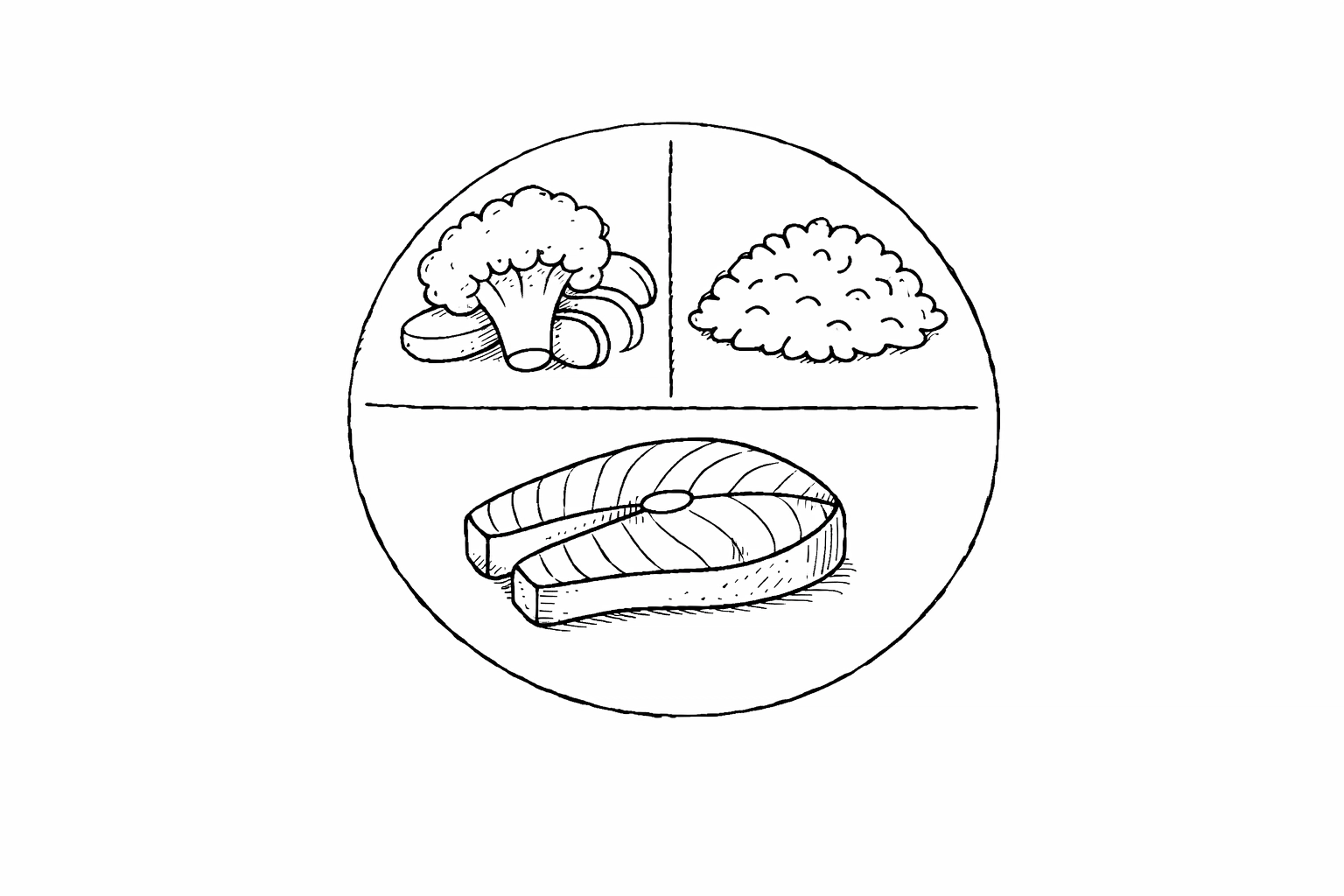
Balance over restriction. Instead of eliminating food groups, sustainable eating embraces variety. Carbohydrates, proteins, fats, vitamins, minerals: your body needs all of them to function well. The goal isn't perfection; it's nourishment.
Whole foods over processed alternatives. The closer your food is to its natural state, the more nutrients it retains. This means prioritizing vegetables, fruits, quality proteins, healthy fats, and whole grains over heavily processed options filled with artificial ingredients.
Flexibility over rigidity. Life is unpredictable. A sustainable approach to nutrition makes room for birthday cake, holiday dinners, and the occasional indulgence without guilt or derailment. It's about the overall pattern, not individual moments.
Gradual changes over dramatic overhauls. Small, meaningful adjustments to your eating habits are far more likely to stick than sweeping transformations. Swap one processed snack for a whole-food alternative. Add an extra serving of vegetables to dinner. Build from there.
The Power of Clean, Functional Ingredients
This is where we at Zentein have strong opinions, mainly because we’ve seen how much easier “healthy eating” feels when the food is actually made from ingredients you recognize.
We believe that what's in your food matters just as much as what's not in it.
Clean eating isn't about following another set of restrictive rules. It's about choosing foods made with real, recognizable ingredients that actually serve your body. Ingredients you could find in nature. Ingredients that provide genuine nutritional value rather than empty calories dressed up with marketing buzzwords.
When you eat foods built on clean, functional ingredients, many people notice they feel more satisfied, their energy is steadier, and cravings are easier to manage. That isn’t a special trick; it’s often what happens when meals and snacks include enough protein, fiber, and micronutrients to actually support appetite signals, rather than relying on highly processed “diet” substitutes that don’t hold up in real life.
Small Changes That Actually Last
So where do you start if you're ready to step off the fad diet rollercoaster?
Here are a few gentle suggestions:
- Read ingredient lists, not just nutrition labels. The number of calories matters less than what those calories are made of. Look for whole foods you recognize.
- Prioritize protein and healthy fats. These macronutrients help you feel full and satisfied, reducing the urge to snack on empty calories between meals.
- Don't demonize any food group. Unless you have a specific medical reason to avoid something, blanket restrictions usually backfire. Moderation beats elimination.
- Find clean swaps for your favorite convenience foods. You don't have to give up snacking: just upgrade to options made with real, functional ingredients.
- Be patient with yourself. Sustainable change takes time. The habits you build slowly are the ones that stick.
The Long Game
Here’s what we’ve learned after years of thinking deeply about nutrition: lasting health usually comes from the unglamorous basics done consistently.
When we stop chasing quick fixes and start building habits we can actually repeat, eating tends to feel less stressful and more intuitive. Food becomes both fuel and enjoyment again, and progress looks steadier because it’s coming from routines that fit real schedules, real appetites, and real life.
We're not here to tell you what diet to follow or what foods to eliminate. We're here to suggest a different approach entirely: choose real ingredients, build balanced habits, and trust the process.
It’s not as flashy as a 7-day transformation, but it’s the kind of approach that tends to hold up when life gets busy, which is what matters most.
We wish you the best.
Sources
-
Mechanisms of Weight Regain following Weight Loss
https://pmc.ncbi.nlm.nih.gov/articles/PMC3901982/ -
Maintenance of lost weight and long-term management of obesity
https://pmc.ncbi.nlm.nih.gov/articles/PMC5764193/ -
Weight Maintenance after Dietary Weight Loss: Systematic Review and Meta-Analysis on the Effectiveness of Behavioural Intensive Intervention
https://pmc.ncbi.nlm.nih.gov/articles/PMC8953094/ -
Fad Diets: Facts and Fiction
https://pmc.ncbi.nlm.nih.gov/articles/PMC9294402/
Keep exploring, or turn the idea into an everyday routine.